Find the Best Yard Drainage Contractors for Your Business
No obligation • Fast responses • Nationwide coverage

Why you can trust Landscape Atlas
Landscape Atlas is a leading United States resource for evaluating landscaping, lawn care, and outdoor service providers. Our team researches each category in depth, focusing on service quality, safety, and customer experience. Listings and rankings are based on independent criteria and user feedback, and companies cannot pay to influence our assessments or recommendations.
Search providers near you
Top Yard Drainage Contractors in Gardena, California Ranked
Proper yard drainage and grading are essential for protecting your Gardena home from water damage, soil erosion, and foundation issues. Southern California's rainfall patterns, characterized by intense, infrequent storms, make managing surface and subsurface water flow a critical part of home maintenance. This guide explains the common solutions for residential water management, from simple grading to complex drainage systems, and how you can find qualified local professionals to assess your property's unique needs.
Droughtscape
Angeles Crest Hwy, La Cañada Flintridge, CA 91011
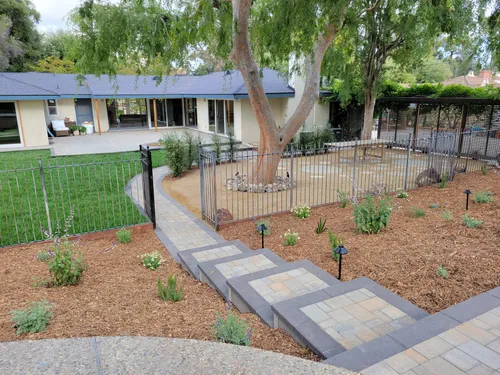
Droughtscape is a landscaping and outdoor construction company based in Los Angeles, CA. With over 45 years of experience, they specialize in drought and fire-resistant landscape design and installation, hardscaping, irrigation, fencing, artificial turf, and more. Their services cover a wide range of outdoor improvements including interlocking pavers, decks, pergolas, retaining walls, and yard drainage. Droughtscape serves multiple neighborhoods in the Los Angeles area, focusing on water-saving and sustainable landscaping solutions that suit various home styles. They emphasize clear communication and quality craftsmanship to provide a smooth project experience.
Greenplace Inc
2151 Pacific Ave A205, Costa Mesa, CA 92627
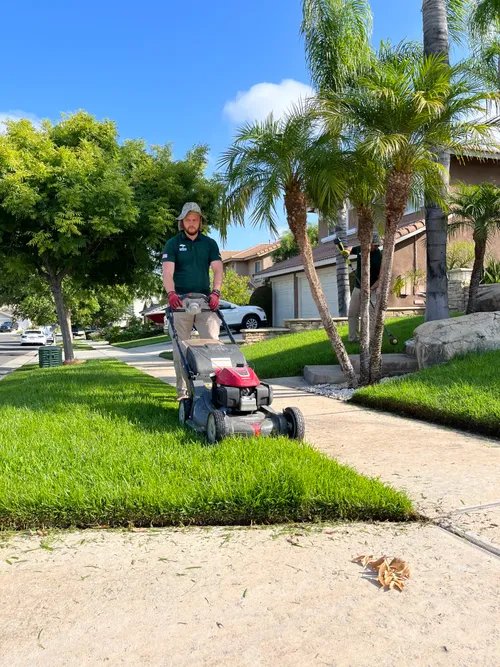
Greenplace Inc is a landscaping company based in Santa Ana, CA, offering a wide range of services including landscape design, hardscaping, lawn care, irrigation installation and repair, artificial turf, and yard drainage solutions. They serve both residential and commercial clients throughout Southern California, including Orange County and Los Angeles. Greenplace specializes in creating custom outdoor environments that combine aesthetic appeal with practical features such as smart irrigation systems to optimize water use. Founded by Volodymyr Dragan and Viktor Peshekhonov, the company emphasizes craftsmanship and long-term vision in their work. Their licensed team is known for detailed project management and responsiveness to client needs.
GreenView Direct
7727 calle maria, Winnetka, CA 91306
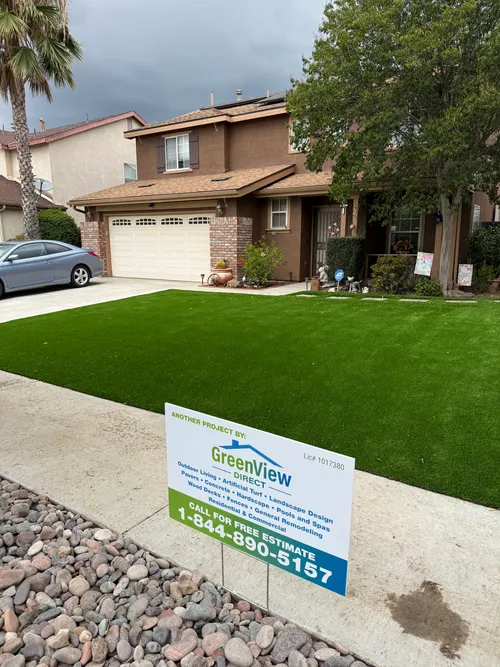
GreenView Direct is a landscaping and hardscaping contractor based in Los Angeles, CA. They offer a wide range of services including artificial turf installation, landscape design, yard drainage and grading, paver and concrete work, patios, decks, and outdoor living features such as pergolas and pool/spa design. Their team uses quality materials like natural stone and EP Henry products to create customized outdoor spaces that enhance residential properties. GreenView Direct also specializes in drainage solutions and retaining walls to manage erosion and water flow effectively. The company emphasizes a hands-on approach from design through construction to ensure client satisfaction.
Barba Landscape & Design
710 Marine St, Santa Monica, CA 90405
Barba Landscape & Design is a family-owned landscaping company based in Los Angeles, CA, with over 35 years of experience. They specialize in landscape design and installation, tree pruning and removal, irrigation, drainage solutions, sod and fence installation, and landscape lighting. As Santa Monica natives, they focus on creating sustainable, eco-friendly outdoor spaces that reflect the local environment. Their team offers a workmanship warranty and is fully licensed, bonded, and insured, ensuring professional standards in every project. Barba Landscape serves a broad area including Santa Monica, Pasadena, Beverly Hills, and other parts of Los Angeles and surrounding counties.
SoCal Landscape and Trees
2233 Casitas Ave, Altadena, CA 91001
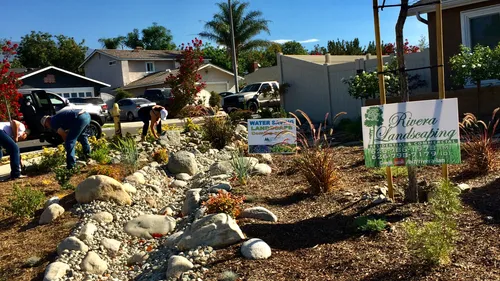
SoCal Landscape and Trees is a landscaping company based in Altadena, serving Los Angeles, CA, and nearby areas. They provide a variety of services including tree removal, lot clearing, irrigation design, hardscape design, concrete work, grading, and routine lawn care. The company emphasizes sustainable practices and community restoration, focusing on enhancing the natural beauty of local foothill neighborhoods. One of their key capabilities is custom irrigation design aimed at promoting plant health and water efficiency. SoCal Landscape and Trees is committed to each project with a personal connection to the community.
Why Drainage Matters in Gardena
Inadequate drainage can lead to a host of expensive and damaging problems. Water pooling against your foundation can cause cracks, leaks, and structural instability over time. Soggy, saturated lawns kill grass, promote mosquito breeding, and can lead to basement or crawl space flooding. In Gardena's varied soil conditions, uncontrolled runoff also contributes to erosion, washing away valuable topsoil and damaging landscaping. Implementing effective water management solutions not only protects your property's value but can also enhance your landscape's health and usability.
Common Yard Drainage Solutions
Homeowners and professionals in Gardena utilize a range of techniques to control water flow. The right solution depends on your property's slope, soil type, and the specific source of the water problem.
Regrading and Swales
The most fundamental approach is regrading, which involves reshaping the soil to create a gentle slope (typically around a 2-5% grade) away from your home's foundation. This directs surface runoff toward a safe dispersal area, like a street gutter or a dry well. For properties with more space, a bioswale-a shallow, vegetated channel-can be constructed to slowly convey and filter water across your landscape. These are often planted with native, water-tolerant plants that help absorb runoff 1 2 3.
Subsurface Drainage: French Drains and Dry Wells
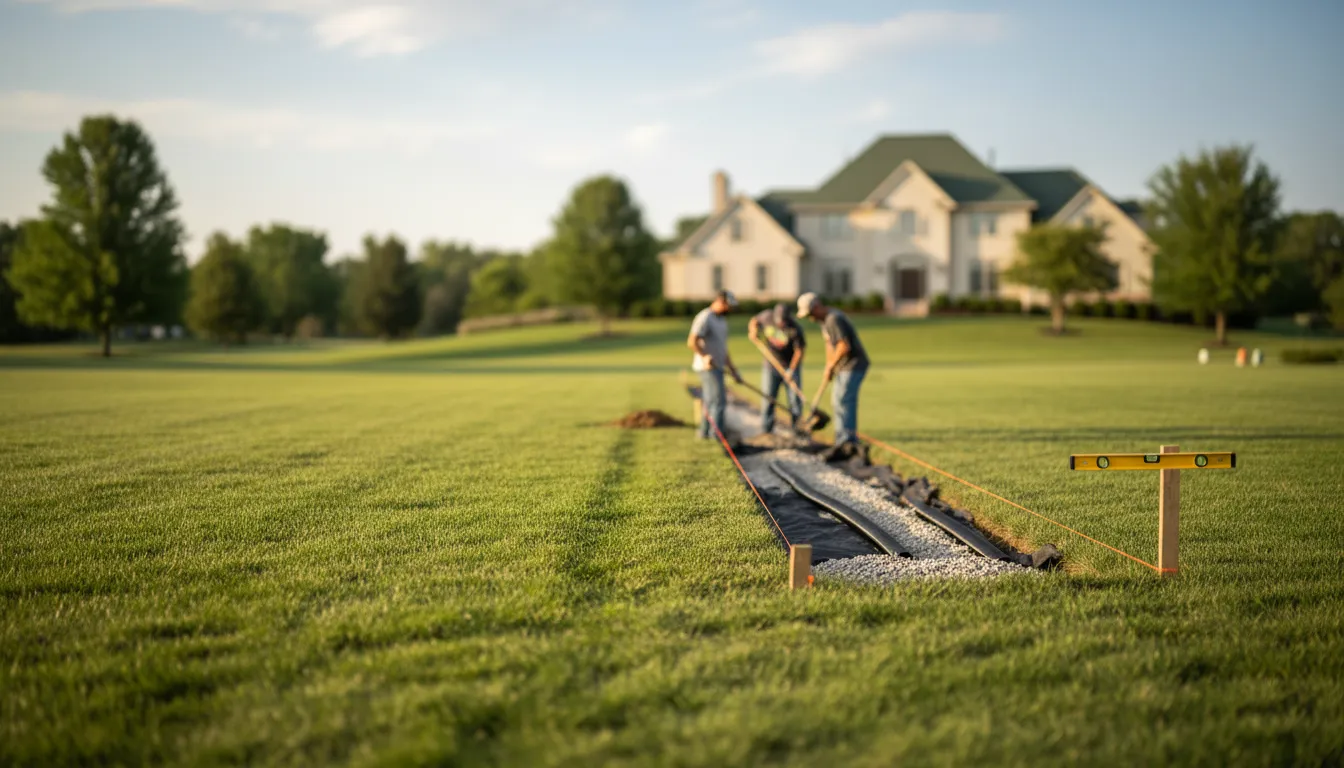
When water saturates the soil, surface grading isn't enough. A French drain is a trench filled with gravel and a perforated pipe wrapped in fabric, designed to intercept and redirect groundwater. It's an excellent solution for chronically soggy yards or for relieving hydrostatic pressure against foundation walls. The collected water is then channeled to a dry well, an underground pit filled with gravel or a storage chamber that allows water to slowly percolate back into the earth, or to a storm drain if local codes permit.
Surface Capture: Catch Basins and Channel Drains
For hard surfaces like driveways, patios, or walkways that generate rapid runoff, catch basins (also called drain inlets) are installed. These are grates set in the ground that connect to a buried pipe system, capturing large volumes of surface water before it can pool. Similarly, trench drains (linear drains) are long, narrow grates perfect for the edge of a patio or across a driveway to stop water from flowing into a garage or home.
Sustainable Stormwater Management: Rain Gardens and Rain Barrels
Gardena encourages sustainable practices that manage water on-site. A rain garden is a landscaped depression planted with deep-rooted native plants. It collects runoff from roofs or driveways, allowing it to soak into the ground, which filters pollutants and recharges groundwater. Rain barrels or larger cisterns attached to downspouts capture roof runoff for later use in irrigation, reducing the total volume of water your property's drainage system must handle.
Find the perfect yard drainage contractors for your needs
Get personalized recommendations and expert advice
The Professional Installation Process
A successful drainage project follows a logical sequence from assessment to final landscaping. Here's what you can expect when working with a specialist on your Gardena property.
- Site Assessment and Diagnosis: A professional will inspect your yard during or after a rain event to identify where water pools, flows, and originates. They will evaluate soil type, existing slopes, and the relationship of water flow to your home's foundation, patios, and other structures.
- System Design and Planning: Based on the assessment, a plan is created. This may include the location and length of French drain trenches, placement of catch basins, the destination for outflow (dry well, street, etc.), and the specific plants for a rain garden. For larger projects, checking with the City of Gardena or Los Angeles County Public Works about permits may be necessary.
- Excavation and Preparation: Trenches are dug for pipes or drains, and areas are excavated for basins, dry wells, or rain gardens. The soil is often amended or compacted as needed to ensure proper function.
- Installation of Components: This step involves laying perforated pipe and gravel for French drains, setting catch basins and connecting solid pipe, constructing dry well chambers, or building the specialized soil layers for a rain garden.
- Connection and Testing: Downspouts are connected to the new drainage system. The entire system is then tested with water to ensure proper flow, no blockages, and that water is being effectively diverted away from problem areas.
- Backfilling and Restoration: Trenches are backfilled, and the surface is restored with topsoil and sod, seed, or other landscaping. Rain gardens are planted with the selected vegetation, completing the project.
Understanding Costs for Drainage Work
The investment for yard drainage and grading in Gardena varies significantly based on the complexity of the problem and the solutions required. Here's a general overview of potential costs:
- Minor Grading/Simple Regrading: Correcting the slope of a specific area typically ranges from $1,000 to $6,400, depending on the size of the yard and amount of soil moved.
- French Drain Installation: Given the labor and materials involved, French drains usually cost between $20 to $50 per linear foot. A typical residential project can total between $2,000 and $7,000.
- Catch Basins and Trench Drains: These are often priced per unit or per linear foot. Expect to pay $30 to $100 per foot for trench drains or $200 to $5,000 per unit for catch basins, depending on size and material.
- Dry Wells: Installing a dry well to manage collected runoff generally costs between $1,000 and $4,800 per unit.
- Rain Gardens and Bioswales: These eco-friendly solutions can range from $800 to over $3,000, influenced by their size, the plants selected, and soil preparation work 4.
- Comprehensive Drainage System: For a whole-yard solution combining multiple techniques like regrading, French drains, and multiple basins, costs can easily reach $15,000 or more 5.
Local Considerations for Gardena Homeowners
Gardena's specific environment influences drainage projects. The city is part of the Los Angeles County watershed, and managing stormwater runoff responsibly is encouraged. Utilizing Low Impact Development (LID) principles, like rain gardens and permeable pavers, can help manage water quality and quantity on your property 6. Always contact the City of Gardena's Building and Safety Division to determine if a permit is required for your planned excavation and drainage work, especially if it ties into any public storm system.
Maintaining Your Drainage System
Once installed, a small amount of maintenance will keep your system functioning for years. Regularly clear debris from catch basin grates, especially before the rainy season. Inspect the outlets of French drains and downspout extensions to ensure they are not blocked. For rain gardens, occasional weeding and replacing plants as needed will maintain their absorption capacity. A quick check after heavy rains to ensure water is flowing as intended can help you catch minor issues before they become big problems 7 8.
Frequently asked questions
Sources
Footnotes
-
How to Grade a Yard: Step-by-Step Guide for Proper Drainage - https://www.schmittwaterproofing.com/blog/yard-grading-101-how-to-grade-a-yard-for-proper-drainage-step-by-step/ ↩
-
Protect Your Home: Essential Yard Drainage Tips - https://www.allentucklandscaping.com/grading-for-yard-drainage/ ↩
-
Stormwater and Watershed Management Program ... - https://www.waterboards.ca.gov/rwqcb4/water_issues/programs/stormwater/municipal/watershed_management/gardena/Gardena%20_IWMP.pdf ↩
-
Simple Construction Guide - Based on Xerindipity Rain Garden - https://www.rdno.ca/sites/default/files/2021-09/Simple_How_to-with_Manual.pdf ↩
-
Landscape Grading and Drainage Costs - https://www.whiteshovel.com/blog/landscape-grading-and-drainage-costs ↩
-
County of Los Angeles Public Works Low Impact Development ... - https://dpw.lacounty.gov/ldd/lib/fp/Hydrology/Low%20Impact%20Development%20Standards%20Manual.pdf ↩
-
Control Heavy Runoff - Solving Drainage and Erosion Problems - https://www.fairfaxcounty.gov/soil-water-conservation/drainage-problem-control-runoff ↩
-
A HOMEOWNER'S TOOLKIT FOR WATER QUALITY AND ... - https://tjpdc.org/wp-content/uploads/A-Homeowners-Toolkit-for-Water-Quality-and-Stormwater-Management.pdf ↩