Find the Best Yard Drainage Contractors for Your Business
No obligation • Fast responses • Nationwide coverage

Why you can trust Landscape Atlas
Landscape Atlas is a leading United States resource for evaluating landscaping, lawn care, and outdoor service providers. Our team researches each category in depth, focusing on service quality, safety, and customer experience. Listings and rankings are based on independent criteria and user feedback, and companies cannot pay to influence our assessments or recommendations.
Search providers near you
Top Yard Drainage Contractors in Gilroy, California Ranked
Proper yard drainage and grading are essential for protecting your home's foundation, preventing soil erosion, and maintaining a healthy, usable outdoor space. In Gilroy, managing water runoff effectively is a key part of responsible property ownership, helping to keep basements dry, landscapes intact, and local waterways clean. This guide explains the core solutions for managing surface and subsurface water, from foundational grading to advanced drainage systems, so you can identify the right approach for your property and connect with qualified local professionals.
Greener Bay Landscaping Inc.
San Jose, CA
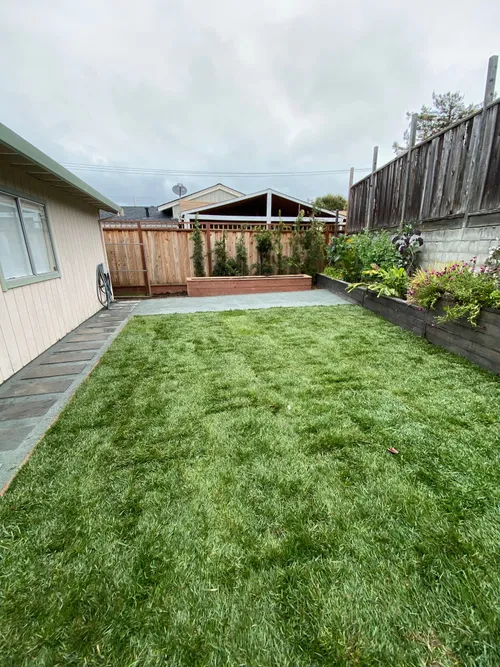
Greener Bay Landscaping Inc. is a family-owned landscaping contractor based in San Jose, CA, serving the Bay Area and Peninsula. They provide a wide range of services including landscape design, sod and synthetic lawn installation, irrigation system setup, fence and deck construction, hardscaping with pavers and retaining walls, yard drainage, and ongoing lawn care and maintenance. With over 15 years of experience, the company emphasizes quality craftsmanship and attention to detail, completing more than 1500 projects across Northern California. Their licensed and insured team works closely with clients to create customized outdoor spaces that combine beauty and function.
Action Landscaping
198 Harriet Ave, Alum Rock, CA 95127
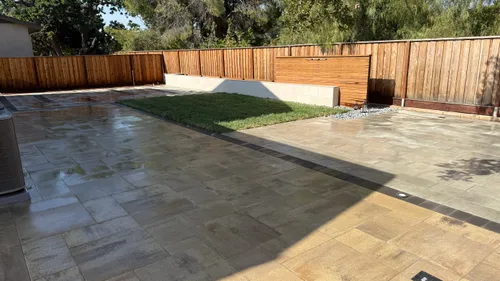
Action Landscaping is a landscaping contractor based in San Jose, CA, serving the Bay Area and surrounding locations. Since starting in 2019, they have offered a wide range of services including artificial turf installation, irrigation system work, concrete removal and installation, paver solutions, and custom outdoor kitchens and BBQ areas. Their expertise also covers fence installation, yard drainage, land clearing, and hardscaping projects. Action Landscaping is known for handling complete landscape construction projects and addressing specific client needs such as sprinkler repairs and drainage system fixes.

Westack Landscaping
221 San Jose Ave, San Jose, CA 95125
Westack Landscaping is a full-service landscaping and outdoor remodeling company based in San Jose, CA. They serve the Bay Area, including San Mateo and Redwood City, offering a wide range of services such as artificial turf installation, custom paver patios, landscape design, tree services, yard drainage, sprinkler systems, and outdoor lighting. Their team manages projects from design to completion, focusing on durable, eco-conscious solutions tailored to California's climate and water restrictions. Westack Landscaping is licensed, insured, and BBB-accredited, with over 100 completed projects and a strong local reputation.
Geoland Landscape Inc
2647 Sequoia Creek Dr, San Jose, CA 95121
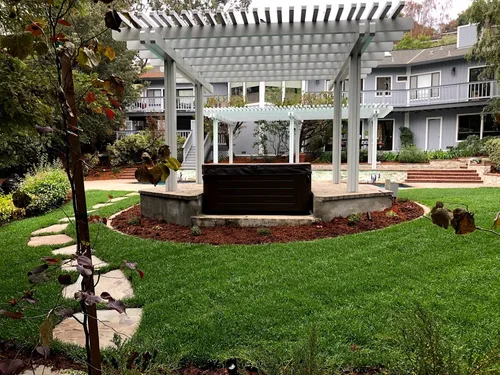
Geoland Landscape Inc is a family-owned landscaping company based in San Jose, CA, serving Northern California including cities like Sunnyvale, Mountain View, and Palo Alto. Established in 1996, they provide a wide range of residential and commercial landscaping services such as landscape design, fence installation, irrigation, yard drainage, and hardscaping. Their capabilities include custom outdoor fireplaces, retaining walls, stamped concrete, paver patios, and low voltage lighting among others. With over two decades of experience, Geoland Landscape Inc delivers comprehensive landscape construction and maintenance solutions.
FMA Landscape Services
226S S 24th St, San Jose, CA 95116
FMA Landscape Services is a licensed and insured landscaping contractor based in San Jose, CA. The company offers a wide range of services including commercial landscape maintenance, tree care, irrigation repair, and water management. They have certified arborists and horticulturists on staff and provide 24-hour emergency services. Their expertise includes turf management, pest control, tree and stump removal, irrigation system installation and repair, as well as exterior water feature maintenance. FMA Landscape Services emphasizes professional standards and comprehensive care for both landscape and hardscape projects.
Water is a powerful force, and when it's not managed correctly on your property, it can lead to a host of expensive and frustrating problems. In Gilroy, where seasonal rains can test any landscape, having a strategic plan for surface water management and stormwater control is not a luxury-it's a necessity for home preservation.
Why Proper Drainage is Critical for Gilroy Homes
Ignoring drainage issues can have serious consequences. The most immediate threat is to your home's structural integrity. Water pooling around the foundation can seep into basements or crawl spaces, leading to mold, mildew, and costly damage to walls and flooring. Over time, this hydrostatic pressure can even cause foundation cracks. Beyond the house, poor drainage creates soggy, unusable lawns, drowns plant roots, and causes unsightly soil erosion that can wash away mulch, topsoil, and landscaping investments. Furthermore, uncontrolled runoff can carry fertilizers, pesticides, and other pollutants from your yard directly into the City of Gilroy's larger stormwater system, impacting local water quality 1. Effective yard drainage solutions address all these issues by safely redirecting water away from critical areas.
Core Principles: Getting Water to Go Where You Want
The goal of any drainage strategy is simple: move water from where it causes problems to where it can be safely absorbed or discharged. This relies on two fundamental principles: grading and channeling.
- Grading and Sloping: This is the first and most important line of defense. It involves shaping the soil's surface to create a gentle slope (typically a minimum 2% grade) away from your home's foundation, directing water toward the street, a drainage ditch, or a designated low point on your property 2. Proper land grading ensures that surface runoff flows away from your house, not toward it.
- Channeling: When grading alone isn't enough, you need to create paths for water to follow. This is where subsurface and surface drainage systems come into play. These systems collect water through inlets or permeable materials and channel it through pipes or swales to a safe outlet, effectively managing both surface runoff and subsurface water.
Common Yard Drainage Solutions Explained
Homeowners in Gilroy have several effective methods at their disposal. The right choice depends on your specific problem, yard layout, and budget.
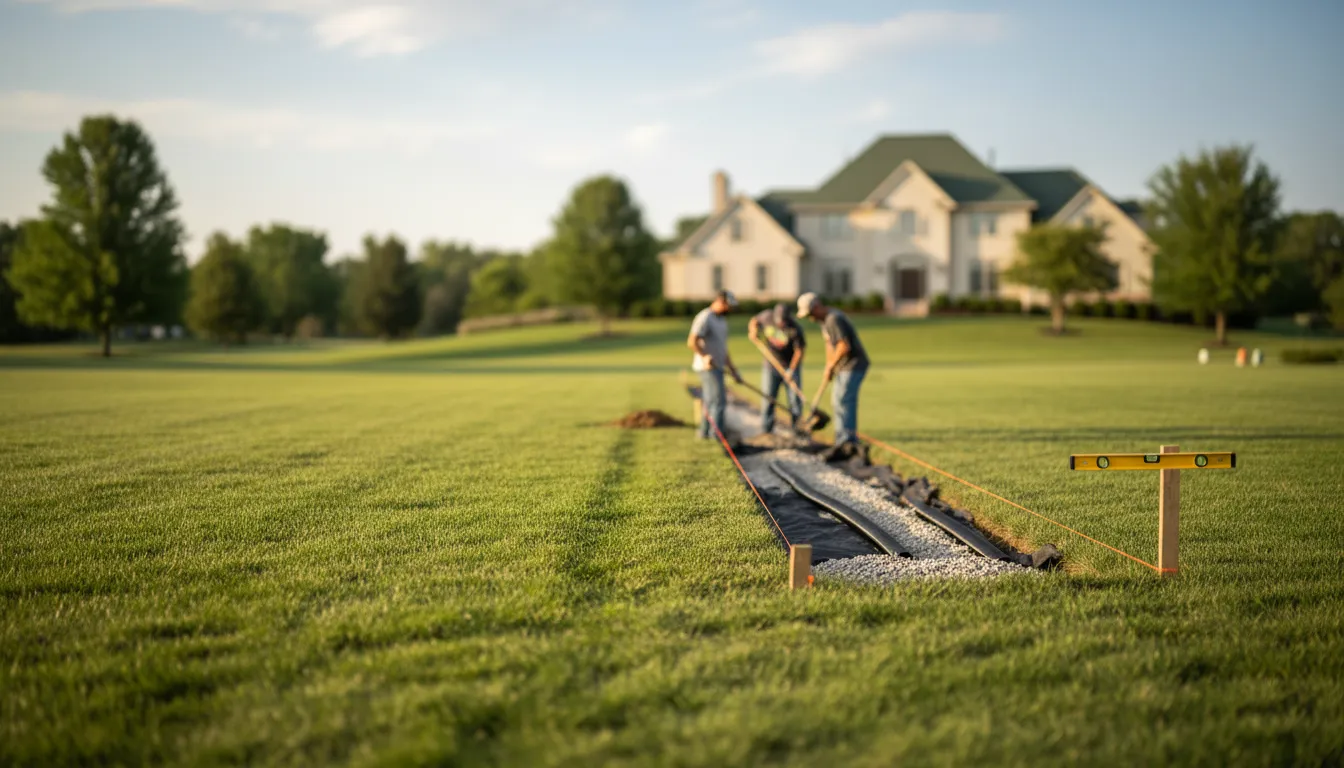
1. French Drains A French drain is a versatile and highly effective solution for collecting and redirecting subsurface water and groundwater. It consists of a trench filled with gravel and a perforated pipe laid at the bottom. Water from the surrounding soil seeps through the gravel, enters the pipe, and is carried away to a discharge point like a storm drain or a dry well. They are ideal for solving problems with soggy lawns, water in basements, or areas where the water table is high.
2. Rain Gardens and Bioswales These are "green" infrastructure solutions that manage water by absorbing and filtering it. A rain garden is a shallow, planted depression designed to capture runoff from roofs, driveways, or lawns. It allows water to soak slowly into the ground, where it is naturally filtered by soil and plants, reducing pollution and recharging groundwater. A bioswale is a similar, often longer, channel that slows and treats runoff. Both are excellent for managing stormwater runoff in an environmentally friendly way.
3. Dry Wells and Catch Basins A dry well is an underground structure filled with gravel or a chamber that collects water from downspouts or drainage pipes and allows it to percolate slowly into the surrounding soil. A catch basin is a grated inlet connected to a drainage pipe, used to collect surface water from low spots or paved areas and funnel it into the drainage system. They are key components for managing large volumes of water from specific sources.
4. Permeable Paving For patios, walkways, or driveways, using permeable pavers, gravel, or other porous materials allows rainwater to seep directly into the ground below instead of running off as surface water 3. This reduces the overall volume of runoff your property generates and helps replenish the aquifer.
5. Simple Surface Grading and Swales Sometimes, the solution is a matter of reshaping the land. Regrading a yard to correct the slope can solve many pooling issues. A swale-a broad, shallow ditch-can be grass-lined and used to gently channel surface runoff across a landscape to a safe area, combining function with aesthetics.
Find the perfect yard drainage contractors for your needs
Get personalized recommendations and expert advice
The Professional Installation Process: What to Expect
Tackling a significant drainage project often requires professional expertise. Here's a typical process a landscape drainage specialist will follow:
- Site Assessment and Diagnosis: A professional will inspect your property during or after a rain to identify the exact sources of water, problem areas (like standing water or foundation dampness), and determine where water can be safely discharged (e.g., street, storm sewer, dry well).
- System Design and Planning: Based on the assessment, they will design a tailored solution. This plan will specify the type of system (French drain, rain garden, etc.), the precise slope and grading needed, materials, and the drainage path. They will also check if any permits are required from the City of Gilroy, though many residential grading and drainage projects are exempt.
- Excavation and Preparation: This involves the physical digging of trenches for drains, pits for dry wells, or shaping the land for grading and swales.
- Installation and Assembly: The core system is built. This includes laying perforated pipe in gravel beds for French drains, installing catch basin inlets, constructing dry well chambers, or planting a rain garden with appropriate, water-tolerant vegetation.
- Finishing and Restoration: The final step involves backfilling trenches, restoring the landscape with topsoil and sod or seed, and testing the system to ensure water flows correctly. A good professional will ensure your yard is left clean and functional.
Understanding the Investment: Cost Considerations
The cost of yard drainage solutions in Gilroy varies widely based on the complexity of the problem and the solution chosen. It's an investment in protecting your much larger investment-your home.
- DIY Simple Solutions: Installing a rain barrel or doing minor regrading yourself might cost only $50 to $500 for materials.
- Professional Grading: For more significant land grading to correct slope issues, professional labor is intensive, typically ranging from $500 to over $2,000 depending on the yard size and amount of soil moved.
- French Drain Systems: A professionally installed French drain is a common and effective solution, with costs usually between $1,000 and $4,000 or more, heavily dependent on the length and depth of the trench and local labor rates.
- Rain Gardens or Permeable Patios: These more involved landscape-integrated solutions can range from $1,000 to $5,000+, factoring in excavation, specialized soil mixes, plants, and labor 4.
Key Takeaways for Gilroy Homeowners
When planning your stormwater management, prioritize immediate foundation protection first. Ensure your primary grading directs water away from the house. After that, consider integrating "green" solutions like rain gardens or permeable surfaces to manage water on-site, which is beneficial for both your property and the local environment. Always consult with experienced local professionals who understand Gilroy's soil conditions and regulations to get a diagnosis and solution tailored to your unique property.
Frequently asked questions
Sources
Footnotes
-
Storm Water Management | Gilroy, CA - Official Website - https://www.cityofgilroy.org/261/Storm-Water-Management ↩
-
Stormwater Best Management Practices - https://spcwater.org/topics/stormwater-management/stormwater-best-management-practices-2/ ↩
-
Stormwater - | YourHome - https://www.yourhome.gov.au/water/stormwater ↩
-
12 Residential Backyard Drainage Solutions - Protect Your Yard - https://wilsonslawncare.com/12-residential-backyard-drainage-solutions/2024/ ↩