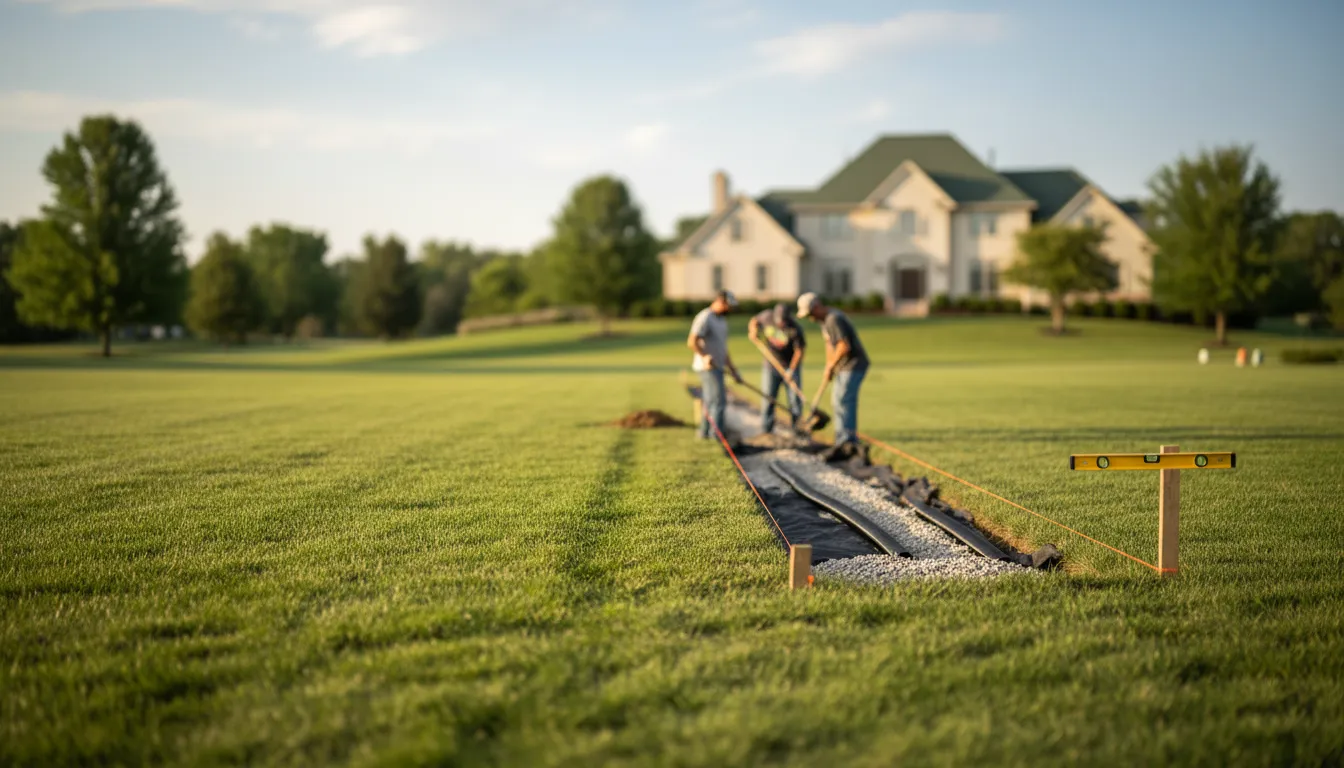
Find the Best Yard Drainage Contractors for Your Business
No obligation • Fast responses • Nationwide coverage

Why you can trust Landscape Atlas
Landscape Atlas is a leading United States resource for evaluating landscaping, lawn care, and outdoor service providers. Our team researches each category in depth, focusing on service quality, safety, and customer experience. Listings and rankings are based on independent criteria and user feedback, and companies cannot pay to influence our assessments or recommendations.
Search providers near you
Top Yard Drainage Contractors in Hayward, California Ranked
Effective yard drainage and grading are essential for protecting your Hayward home from water damage. Poor drainage can lead to foundation issues, basement flooding, soil erosion, and mosquito breeding grounds. This guide explains the common water management solutions for local properties, from simple downspout extensions to comprehensive grading projects, and how to connect with qualified professionals who understand the Bay Area's specific soil and climate challenges.
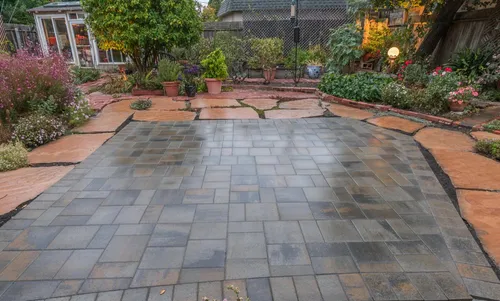
Ideal Landscape & Concrete
921 N Amphlett Blvd, San Mateo, CA 94401
Ideal Landscape & Concrete is a landscape and hardscape construction company based in San Jose, CA. Founded in 1981, they offer a range of services including fence installation, landscape lighting, yard drainage, sprinkler system installation and repair, landscaping, and hardscaping such as pavers and retaining walls. They also specialize in irrigation system installation and maintenance to support water conservation in the drought-prone Bay Area. Their capabilities include concrete and masonry construction, as well as erosion control and low-voltage lighting installation.
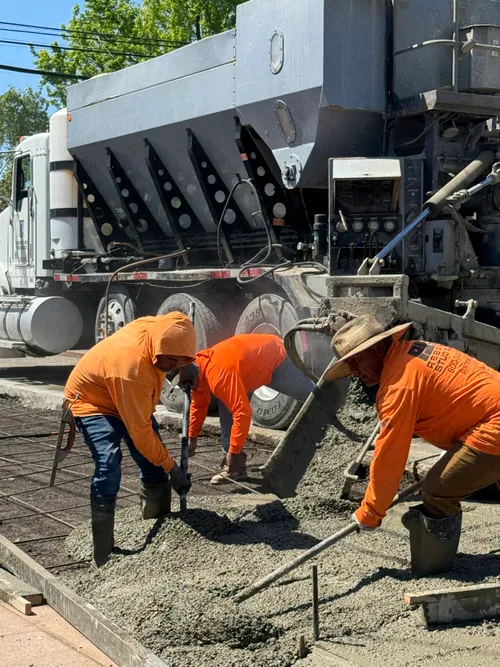
Lamata Concrete
San Francisco, CA
Lamata Concrete is a San Francisco, CA-based company with over 35 years of experience specializing in concrete foundation and flatwork solutions. They offer services for residential and small commercial projects, including driveways, patios, walkways, retaining walls, foundations, and drainage systems. Their expertise in local soil conditions supports durable and stable installations. Lamata Concrete also handles commercial work such as sidewalks, curbs, gutters, stairs, and ADA-compliant ramps.
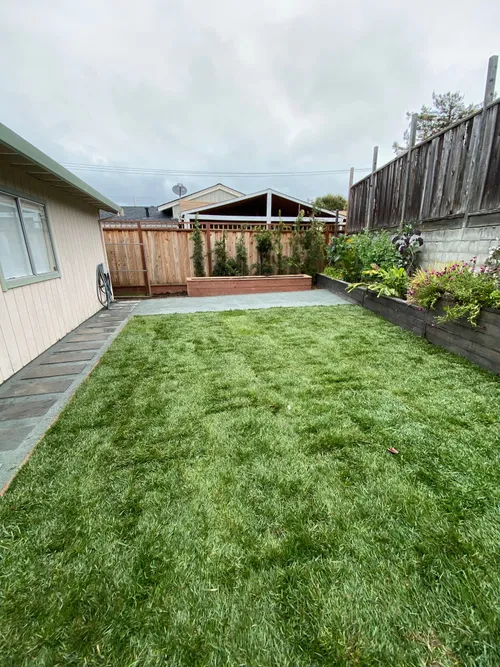
Greener Bay Landscaping Inc.
San Jose, CA
Greener Bay Landscaping Inc. is a family-owned landscaping contractor based in San Jose, CA, serving the Bay Area and Peninsula. They provide a wide range of services including landscape design, sod and synthetic lawn installation, irrigation system setup, fence and deck construction, hardscaping with pavers and retaining walls, yard drainage, and ongoing lawn care and maintenance. With over 15 years of experience, the company emphasizes quality craftsmanship and attention to detail, completing more than 1500 projects across Northern California. Their licensed and insured team works closely with clients to create customized outdoor spaces that combine beauty and function.
Atlas Tree Service Inc.
150 Medburn St, Concord, CA 94520
Atlas Tree Service Inc. is a tree and landscape specialist serving Oakland, CA, and the surrounding Northern California area. Established in 1962, the company offers a wide range of services including tree removal, pruning, stump grinding, land clearing, and landscape design. They have a large fleet equipped with cranes and bucket trucks to handle large tree demolition and installation. Atlas Tree Service also provides grading, drainage system installation, and concrete and paving services. The company operates 24/7, offering emergency tree services at any time.
Jenn's Gardening
Fremont, CA
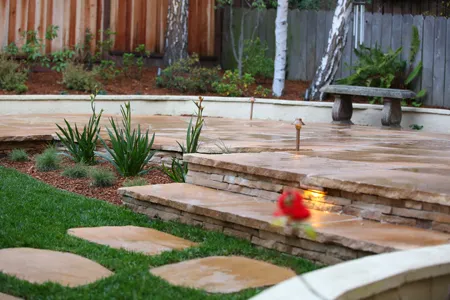
Jenn's Gardening is a full-service landscaping company based in Fremont, CA, serving the Peninsula area. Since 1993, owner Jennifer France and her team have provided a wide range of services including lawn mowing, fertilization, weed control, sod installation, irrigation system installation and repair, tree pruning and removal, hardscaping with pavers and retaining walls, and yard drainage solutions. They specialize in water-wise irrigation systems and use environmentally safe methods for disease and pest control to maintain healthy, attractive gardens. Jenn's Gardening combines decades of experience with personalized care to create functional and beautiful outdoor spaces.
Understanding Hayward's Drainage Challenges
Hayward's landscape and weather patterns create unique drainage needs. The city features varied topography, from flatlands to hillsides, and experiences seasonal rains that can overwhelm poorly managed landscapes. Water pooling in your yard isn't just a nuisance; it can compromise your home's structural integrity and create hazardous, slippery surfaces. Proper surface grading and subsurface drainage systems work together to channel rainwater away from your foundation and into appropriate dispersal areas, protecting your largest investment.
Core Solutions for Residential Water Management
Addressing yard water issues typically involves a combination of techniques tailored to your property's specific problem. Here are the primary methods used by Hayward contractors.
Regrading and Slope Correction
The most fundamental solution is ensuring your yard's slope directs water away from your home. This process, known as regrading or earth shaping, involves adjusting the soil to create a gentle, consistent grade. The goal is a minimum slope of 2% (about a 2-inch drop over 8 feet) for at least the first 10 feet from your foundation 1. This is often the first step in a comprehensive drainage plan.
French Drain Systems
A French drain is a trench filled with gravel or rock containing a perforated pipe that redirects surface water and groundwater away from an area. It's a highly effective solution for yards with persistent soggy spots or subsurface water issues. In the Bay Area, where certain soils have poor permeability, these subsurface drains are a common and reliable fix for managing stormwater.
Surface Drainage: Catch Basins and Channel Drains
For water that collects on hardscapes like driveways, patios, or walkways, surface drains are key. A catch basin is an inlet with a grate that collects surface runoff, connecting to an underground pipe. Channel drains (also called trench drains) are long, narrow grates ideal for across driveways or patio edges. These systems capture water before it can spread and direct it into your main drainage network.
Downspout and Gutter Management
Your roof collects a massive amount of water. If downspouts empty directly next to your foundation, you're inviting trouble. Solutions include adding downspout extensions (splash blocks or flexible pipes), burying downspout lines that tie into a drainage system, or directing water into a rain barrel or dry well. Disconnecting downspouts from municipal storm sewers and redirecting water to your landscape is a principle of green infrastructure encouraged in Hayward.
Green Infrastructure and Low-Impact Development
Modern drainage incorporates environmentally friendly techniques that manage water at its source. These include:
- Rain Gardens: Shallow, planted depressions that collect and absorb runoff from roofs and paved areas, filtering pollutants through the soil 2 3.
- Permeable Paving: Replacing traditional concrete or asphalt with materials that allow water to seep through into the ground below, reducing runoff volume.
- Swales: Broad, shallow channels designed to slow and infiltrate runoff, often landscaped with grasses or other plants.
These approaches align with regional goals to reduce stormwater pollution in the San Francisco Bay and can often be integrated with more traditional drainage structures 4.
Find the perfect yard drainage contractors for your needs
Get personalized recommendations and expert advice
The Professional Installation Process: What to Expect
Hiring a professional for yard drainage or grading work ensures the solution is effective, durable, and compliant with local codes. Here's a typical project flow.
-
Site Assessment and Diagnosis: A specialist will inspect your property to identify the source of water (e.g., roof runoff, hillside seepage, poor slope) and the symptoms (standing water, erosion, damp basements). They will evaluate soil type and locate natural flow paths.
-
System Design and Planning: The contractor will design a tailored solution, which may combine several methods. This plan includes the placement of drains, pipe routing, slope calculations, and discharge points. A good design ensures water is moved to a safe outlet, such as a street gutter, storm drain, or a designated infiltration area on your property.
-
Permitting: For significant grading, extensive trenching, or any work that connects to the city's storm system, a permit from the City of Hayward may be required. Reputable contractors will handle this process, ensuring the work meets local guidelines, including those outlined in Hayward's Green Infrastructure Plan 5.
-
Installation: This is the construction phase. It involves excavation, trenching for pipes, installing drain basins, laying and connecting pipe, backfilling with appropriate drainage gravel, and final grading and smoothing of the soil. For French drains, this includes lining the trench with landscape fabric, adding gravel, laying the perforated pipe, and covering it with more gravel.
-
Final Grading and Restoration: The surface is graded to the precise slope, compacted, and restored. This may involve laying new sod, seeding, or spreading mulch over disturbed areas to blend the work seamlessly into your existing landscape.
Investment and Cost Considerations
The cost for drainage and grading work in Hayward varies widely based on the project's scale, complexity, and the solutions chosen. Simple interventions are relatively affordable, while whole-yard systems represent a significant investment in your property's health.
- Basic Downspout Solutions: Adding extensions or burying a single downspout line can range from $150 to $350 per downspout 6 7.
- French Drain Systems: As a common core solution, typical costs range from $1,000 to $4,000 for a residential project. This often translates to an average of $10 to $25 per linear foot, depending on depth, accessibility, and materials 8 9.
- Catch Basins and Channel Drains: These are often priced as part of a larger system installation. Individual basin costs can vary, but they are frequently installed in conjunction with piping.
- Extensive Grading and Reshaping: For properties needing significant earth movement to correct slope, costs can reach several thousand dollars, as they involve heavy machinery and large volumes of soil.
- Rain Gardens and Green Infrastructure: The cost for a residential rain garden can be similar to a standard landscaping bed, with added expenses for soil amendments and specific plants. Permeable paving is typically more expensive than traditional paving but offers long-term drainage benefits.
It's important to view these costs as an investment that protects your home's foundation, prevents costly repairs, and enhances your yard's usability. Always seek detailed, written estimates from several contractors that break down labor, materials, and permit fees.
Selecting a Contractor in Hayward
Choosing the right professional is critical. Look for contractors who specialize in drainage and grading, not just general landscaping. They should have specific experience with Bay Area soils and Hayward's climate. Verify they are licensed, insured, and willing to pull necessary permits. Ask for local references and examples of past projects. A trustworthy contractor will perform a thorough assessment, explain the proposed solution clearly, and provide a detailed contract outlining the scope of work, timeline, and payment schedule.
Frequently asked questions
Sources
Footnotes
-
Control Heavy Runoff - Solving Drainage and Erosion Problems - https://www.fairfaxcounty.gov/soil-water-conservation/drainage-problem-control-runoff ↩
-
What You Can Do to Soak Up the Rain | US EPA - https://www.epa.gov/soakuptherain/what-you-can-do-soak-rain ↩
-
Infiltration Guidelines - https://scvurppp.org/wp-content/uploads/2024/07/Appendices_combined_2024_0718.pdf ↩
-
Stormwater Best Management Practices - https://spcwater.org/topics/stormwater-management/stormwater-best-management-practices-2/ ↩
-
Green Infrastructure Plan - Hayward-ca.gov - https://www.hayward-ca.gov/sites/default/files/GI_Plan_Hayward_Final_July_8_2019_with%20B-6.pdf ↩
-
The 10 Best Yard Drainage Contractors in Hayward, CA (2025) - https://homeguide.com/ca/hayward/drainage-contractors/ ↩
-
Rapid Grading Services - https://rapidgradingservices.com/ ↩
-
Top Rated Drainage Contractors for Hayward, CA - Diamond Certified - https://www.diamondcertified.org/category/drainage/ca/hayward/ ↩
-
French Drain Installation Hayward CA - https://prooter.com/french-drain-installation-hayward-ca/ ↩