Find the Best Yard Drainage Contractors for Your Business
No obligation • Fast responses • Nationwide coverage

Why you can trust Landscape Atlas
Landscape Atlas is a leading United States resource for evaluating landscaping, lawn care, and outdoor service providers. Our team researches each category in depth, focusing on service quality, safety, and customer experience. Listings and rankings are based on independent criteria and user feedback, and companies cannot pay to influence our assessments or recommendations.
Search providers near you
Top Yard Drainage Contractors in Livermore, California Ranked
Proper yard drainage and grading are essential for protecting your Livermore home from water damage, preventing soil erosion, and contributing to a healthier local watershed. Managing stormwater runoff effectively can safeguard your foundation, eliminate soggy lawns, and even reduce your environmental impact. This guide will help you understand the common water management challenges in the area and the range of solutions available, from simple downspout adjustments to comprehensive grading projects, so you can find the right local expertise for your property.
Lamata Concrete
San Francisco, CA
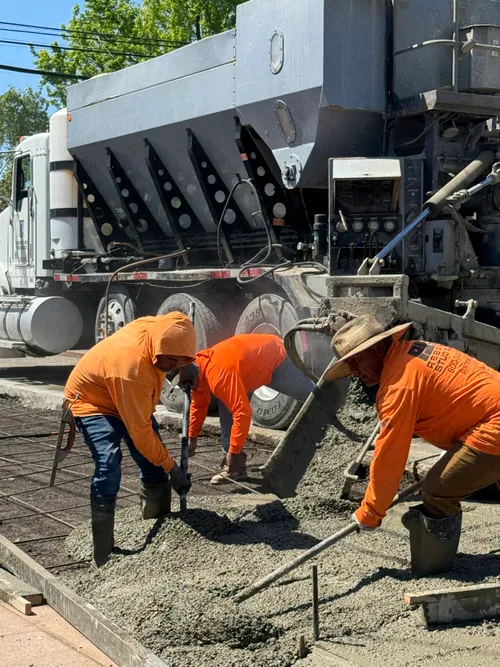
Lamata Concrete is a San Francisco, CA-based company with over 35 years of experience specializing in concrete foundation and flatwork solutions. They offer services for residential and small commercial projects, including driveways, patios, walkways, retaining walls, foundations, and drainage systems. Their expertise in local soil conditions supports durable and stable installations. Lamata Concrete also handles commercial work such as sidewalks, curbs, gutters, stairs, and ADA-compliant ramps.
Greener Bay Landscaping Inc.
San Jose, CA
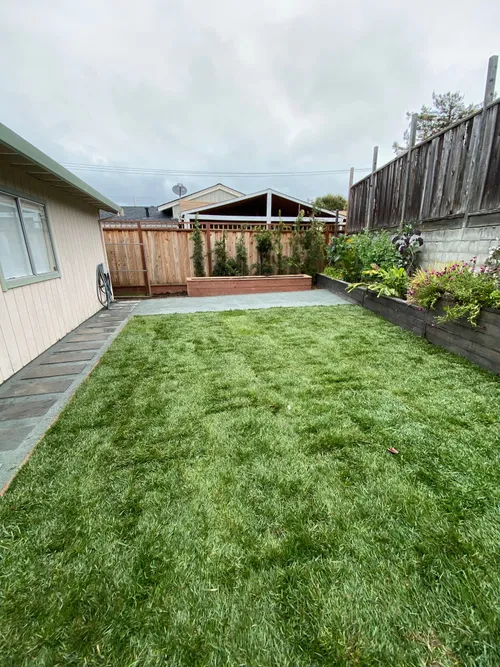
Greener Bay Landscaping Inc. is a family-owned landscaping contractor based in San Jose, CA, serving the Bay Area and Peninsula. They provide a wide range of services including landscape design, sod and synthetic lawn installation, irrigation system setup, fence and deck construction, hardscaping with pavers and retaining walls, yard drainage, and ongoing lawn care and maintenance. With over 15 years of experience, the company emphasizes quality craftsmanship and attention to detail, completing more than 1500 projects across Northern California. Their licensed and insured team works closely with clients to create customized outdoor spaces that combine beauty and function.
Atlas Tree Service Inc.
150 Medburn St, Concord, CA 94520
Atlas Tree Service Inc. is a tree and landscape specialist serving Oakland, CA, and the surrounding Northern California area. Established in 1962, the company offers a wide range of services including tree removal, pruning, stump grinding, land clearing, and landscape design. They have a large fleet equipped with cranes and bucket trucks to handle large tree demolition and installation. Atlas Tree Service also provides grading, drainage system installation, and concrete and paving services. The company operates 24/7, offering emergency tree services at any time.
Jenn's Gardening
Fremont, CA
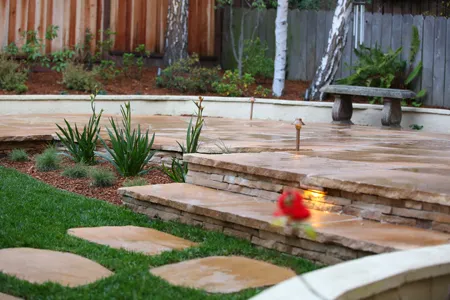
Jenn's Gardening is a full-service landscaping company based in Fremont, CA, serving the Peninsula area. Since 1993, owner Jennifer France and her team have provided a wide range of services including lawn mowing, fertilization, weed control, sod installation, irrigation system installation and repair, tree pruning and removal, hardscaping with pavers and retaining walls, and yard drainage solutions. They specialize in water-wise irrigation systems and use environmentally safe methods for disease and pest control to maintain healthy, attractive gardens. Jenn's Gardening combines decades of experience with personalized care to create functional and beautiful outdoor spaces.
Onelawn
16120 Ashland Ave, San Lorenzo, CA 94580
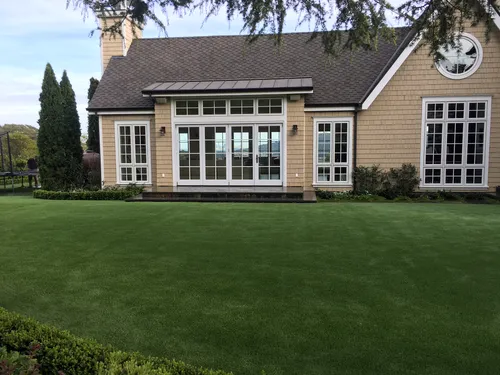
Onelawn is a synthetic turf installation and landscape design company serving San Jose, CA, and the greater Bay Area. Since 2008, they have specialized in artificial grass installation for residential lawns, commercial properties, playgrounds, pet areas, putting greens, bocce courts, and rooftop landscaping. Their expertise includes using high-quality, US-made synthetic fibers and advanced installation techniques to create durable, low-maintenance lawns that conserve water and reduce environmental impact. Onelawn works closely with clients to design customized outdoor spaces that combine aesthetic appeal with practical benefits.
Why Livermore Homes Need Effective Water Management
Livermore's climate, with its seasonal rains, makes managing stormwater a critical concern for homeowners. Without proper surface drainage and lot grading, rainwater can pool around foundations, seep into basements or crawl spaces, and create persistent muddy areas that damage landscaping and create slip hazards. Furthermore, the City of Livermore administers an Urban Runoff Fee to fund its municipal stormwater system, which manages runoff and protects local waterways from pollutants. By implementing effective stormwater management practices on your property, you not only protect your investment but also contribute to the community's environmental goals and can potentially mitigate some impacts of local runoff regulations.
Common Drainage Problems and Their Signs
Identifying a drainage issue is the first step toward a solution. Here are frequent problems seen in Livermore yards:
- Foundation Pooling: Water collecting against the home's foundation is a primary red flag. This can lead to moisture intrusion, mold, and structural damage over time.
- Soggy Lawn or Standing Water: Areas of your lawn that stay wet long after a rainstorm indicate poor yard grading or a lack of adequate drainage systems. This can drown grass roots and attract pests.
- Erosion: Water flowing uncontrolled down slopes can wash away topsoil, expose plant roots, and create unsightly gullies in your landscape.
- Overwhelmed Downspouts: If your gutter downspouts dump water directly onto the ground next to your house, that concentrated flow often exceeds the soil's ability to absorb it, leading to many of the problems listed above.
Core Solutions for Yard Drainage and Grading
A variety of techniques can be employed to control water flow, each suited to different situations and budgets. Often, a combination of methods yields the best results.
1. Proper Grading and Slope Correction
This is the foundational element of any water management plan. The goal is to create a gentle slope (typically 1-2% grade) away from your home's foundation for at least the first 10 feet1. Land grading involves moving and compacting soil to direct surface water toward a safe discharge point, like a street gutter, drainage ditch, or a designated dry well. Correcting the lot grading is often the first and most crucial step in solving chronic dampness or flooding issues.
2. Channeling Water: Drains and Swales
For moving water from one area to another, these systems are highly effective.
- French Drains: A perforated pipe buried in a gravel-filled trench collects subsurface water and redirects it. These are excellent for solving soggy yard problems or intercepting water flowing toward a foundation.
- Channel Drains: These are surface-level grates, often placed across driveways or walkways, that capture sheet flow and pipe it away.
- Swales: These are shallow, vegetated ditches designed to slow down and guide runoff. A bioswale incorporates specific plants and soil to help filter pollutants from the water as it moves.
3. Capturing and Using Rainwater
Instead of just moving water, you can capture and reuse it for irrigation, which is especially valuable in California's climate.
- Rain Barrels and Cisterns: Connected to your downspouts, these containers store roof runoff for later use in your garden. They are a simple, cost-effective way to reduce peak stormwater flow and conserve water.
- Rain Gardens: A rain garden is a depressed landscape area planted with native, water-tolerant plants. It is designed to collect runoff from roofs or patios, allowing it to slowly infiltrate into the ground while filtering out pollutants. This is a beautiful and ecological stormwater management solution.
4. Permeable Surfaces and Dry Wells
Increasing the ground's ability to absorb water is key.
- Permeable Paving: Replacing solid concrete or asphalt with permeable pavers, gravel, or pervious concrete allows rainwater to seep through the surface and into the soil below, drastically reducing runoff.
- Dry Wells: An underground structure, often a large pit filled with gravel, that collects stormwater from drains or downspouts and allows it to percolate slowly into the surrounding soil.
Find the perfect yard drainage contractors for your needs
Get personalized recommendations and expert advice
The Process: From Assessment to Implementation
Tackling a drainage project systematically leads to better, longer-lasting results.
- Professional Assessment: A qualified specialist will inspect your property to identify all water sources (roof, driveway, slopes) and problem areas. They will analyze the soil type and existing lot grading to understand the full scope of the issue.
- Solution Design: Based on the assessment, a plan is created. This may involve a single fix, like extending downspouts, or a integrated system combining regrading, a French drain, and a rain garden. The design should specify where water will be safely discharged.
- Permitting: For significant earthwork, grading projects, or installing certain underground structures, a permit from the City of Livermore may be required. A knowledgeable professional can help navigate this process.
- Implementation: Installation begins. For yard drainage, this can involve excavation, pipe laying, and backfilling. For grading, it requires precise moving and compacting of soil. For softer solutions like rain gardens, it involves excavation, soil amendment, and planting.
- Landscaping Integration: The final step often involves restoring the area with sod, seed, or new plants. Choosing native, drought-tolerant plants for areas affected by your new drainage system can create a low-maintenance, resilient landscape 2.
Understanding Costs and Investments
The cost for yard drainage and grading services in Livermore varies significantly based on the complexity and scale of the problem. Simple solutions like installing rain barrels can range from $50 to $200+ for DIY or purchased units3 4. A DIY rain garden might cost a few hundred dollars in plants and soil amendments, while a professionally designed and installed one can run into the thousands3 5. More intensive solutions like French drains or dry wells typically range from $1,000 to $5,000 or more, depending on length, depth, and site accessibility5 6 7. Major regrading of a property is a larger excavation project and will be on the higher end of the cost spectrum. While permeable paving has a higher upfront material cost than traditional concrete, it offers long-term benefits for stormwater management8. It's important to view these projects as investments that protect your home's structural integrity and landscape value.
The Livermore Context: Urban Runoff and Best Practices
Livermore, like many California cities, operates under strict stormwater regulations to protect water quality in local creeks and the groundwater supply. The city's Urban Runoff Fee supports the maintenance of the public storm drain system9. Homeowners are encouraged to adopt Stormwater Best Management Practices (BMPs) on their property10. The techniques discussed here-from rainwater capture to creating permeable surfaces-are all recognized BMPs. By implementing these solutions, you are not just solving a yard problem; you are actively participating in community-wide environmental stewardship, potentially reducing the volume of polluted runoff leaving your property and complying with the spirit of local ordinances.
Frequently asked questions
Sources
Footnotes
-
Stormwater Best Management Practices - https://spcwater.org/topics/stormwater-management/stormwater-best-management-practices-2/ ↩
-
Simple Steps to Manage Stormwater in Your Backyard - JP Operations - https://www.jpoperations.com/blog/simple-steps-to-manage-stormwater-in-your-backyard ↩
-
Rainwater Capture - City of Livermore website - https://www.livermoreca.gov/departments/public-works/water-resources/water-conservation/water-wise-landscaping/rainwater-capture ↩ ↩2
-
Making Your Yard RainReady - https://rainready.org/sites/default/files/factsheets/Factsheet-RainReady-Yard_0.pdf ↩
-
Drainage Livermore | Ward Construction Inc. - https://wardconstruction.com/blog/drainage-livermore/ ↩ ↩2
-
12 Residential Backyard Drainage Solutions - Protect Your Yard - https://wilsonslawncare.com/12-residential-backyard-drainage-solutions/2024/ ↩
-
Best Drainage Systems To Deal with Stormwater - This Old House - https://www.thisoldhouse.com/driveways/best-drainage-systems-to-deal-with-storm-water ↩
-
Rainwater Management - A Guide for Homeowners - https://nr.tulaliptribes.com/Content/documents/Rainwater-Management.pdf ↩
-
Stormwater System Rates | City of Livermore website - https://www.livermoreca.gov/departments/public-works/water-resources/about-the-division/rates-finances/stormwater-system-rates ↩
-
Stormwater Best Management Practices for Businesses ... - https://www.livermoreca.gov/doing-business/stormwater-best-management-practices ↩