Find the Best Yard Drainage Contractors for Your Business
No obligation • Fast responses • Nationwide coverage

Why you can trust Landscape Atlas
Landscape Atlas is a leading United States resource for evaluating landscaping, lawn care, and outdoor service providers. Our team researches each category in depth, focusing on service quality, safety, and customer experience. Listings and rankings are based on independent criteria and user feedback, and companies cannot pay to influence our assessments or recommendations.
Search providers near you
Top Yard Drainage Contractors in Santee, California Ranked
Managing water flow on your property is a critical aspect of home maintenance in Santee. Proper yard drainage and grading protect your home's foundation, prevent soil erosion, and eliminate soggy, unusable areas of your landscape. This guide explains the core solutions for controlling runoff, from simple grading to complex drainage systems, and how you can connect with local professionals who understand Santee's specific soil conditions and municipal requirements to implement an effective water management plan for your yard.
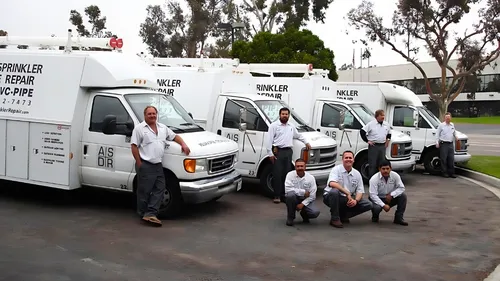
Advanced Sprinkler & Drainage Repair
San Diego, CA
Advanced Sprinkler & Drainage Repair is a San Diego, CA company specializing in sprinkler installation, repair, yard drainage, grading, and outdoor lighting. With over 40 years of experience, they handle irrigation system leaks, electrical issues, low water pressure, and other sprinkler malfunctions using commercial-grade materials. Their fully stocked trucks allow them to complete most repairs in one visit, ensuring efficient service for residential properties. They also provide drainage system solutions and erosion control to maintain healthy lawns and gardens.
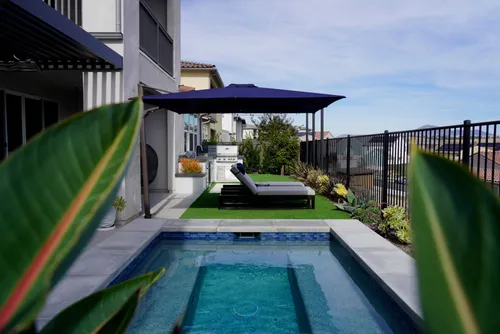
Modern Yardz Landscaping San Diego
8133 Engineer Rd, San Diego, CA 92111
Modern Yardz Landscaping San Diego is a landscaping company based in San Diego, CA, offering a wide range of services including landscape design, artificial turf installation, outdoor lighting, yard drainage, sprinkler installation and repair, hardscaping with pavers and retaining walls, and general landscaping. They provide a collaborative design process featuring 2D and 3D renderings to help clients visualize their projects before installation. The company emphasizes sustainable landscaping options such as drought-tolerant plants and efficient irrigation systems. With decades of experience, Modern Yardz caters to projects of all sizes, from small enhancements to major outdoor transformations.
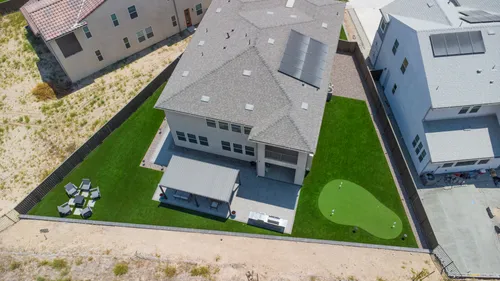
Eternal Turf and Pavers
601 11th Ave #2403, San Diego, CA 92101
Eternal Turf and Pavers is a landscaping company based in San Diego, CA, specializing in artificial turf installation, landscape design, hardscaping, and yard drainage solutions. They offer a range of services including premium turf installation, paver and concrete work, retaining walls, outdoor living spaces, and irrigation systems. Their team is skilled in creating custom outdoor environments, such as putting greens and stylish patios, tailored to client needs. Known for efficient project completion and attention to detail, Eternal Turf and Pavers manages everything from design and HOA approvals to final installation. The company is recognized for its quality craftsmanship and customer-focused approach.
ARC Design Landscape
10911 Wheatlands Ave Ste F, Santee, CA 92071
ARC Design Landscape is a landscape design and installation company based in San Diego, CA. They offer a wide range of services including landscape design with 3D renderings, artificial turf installation, hardscaping with pavers and retaining walls, outdoor lighting, water features, and outdoor kitchens. Their team works closely with clients to create customized outdoor living spaces that fit their lifestyle and design preferences. ARC Design Landscape serves many cities throughout San Diego County and provides detailed design consultations and site evaluations to ensure each project meets client goals. They also specialize in pet-friendly turf installations and support local animal charities through their ARC 4Pets program.
United Turf & Pavers
2426 Fourth Ave #407, San Diego, CA 92101
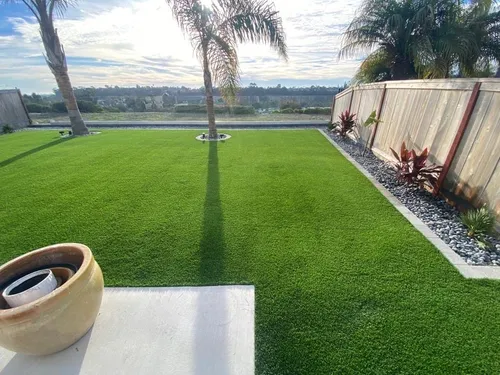
United Turf & Pavers is a landscaping and outdoor remodeling company based in San Diego, CA. They offer a range of services including artificial turf installation, landscape lighting, yard drainage and grading, hardscaping with pavers and retaining walls, and full backyard remodels. Their work includes installing pet-friendly and putting green turf, outdoor kitchens, fire features, and pergolas. The company uses premium materials and licensed crews to complete most projects within a few days, backed by a lifetime warranty. They serve all neighborhoods in San Diego County and provide flexible financing options.
Why Proper Drainage is Essential for Santee Homes
Santee's landscape and occasional heavy rains can lead to significant water pooling and runoff issues. Without a proper drainage plan, water can seep into your home's foundation, leading to costly structural damage and mold growth. Effective surface and subsurface water control also safeguards your landscaping investment, prevents mosquito breeding grounds, and ensures your outdoor space remains functional and beautiful year-round. Addressing these issues is not just about fixing a wet spot; it's about protecting your property's value and integrity.
Core Solutions for Yard Water Management
Professionals employ a variety of techniques to solve drainage problems. The right solution depends on your property's specific topography, soil type, and the source of the water.
Grading and Re-sloping
The first line of defense is ensuring the ground slopes away from your home. Proper land grading creates a gentle incline that directs surface water toward the street, a storm drain, or a safe drainage area. A minimum slope of 5% (or about 6 inches of fall over 10 feet) is often recommended to effectively move water away from foundations1. Regrading a yard is a foundational step that can solve many surface water issues before they start.
French Drain Systems
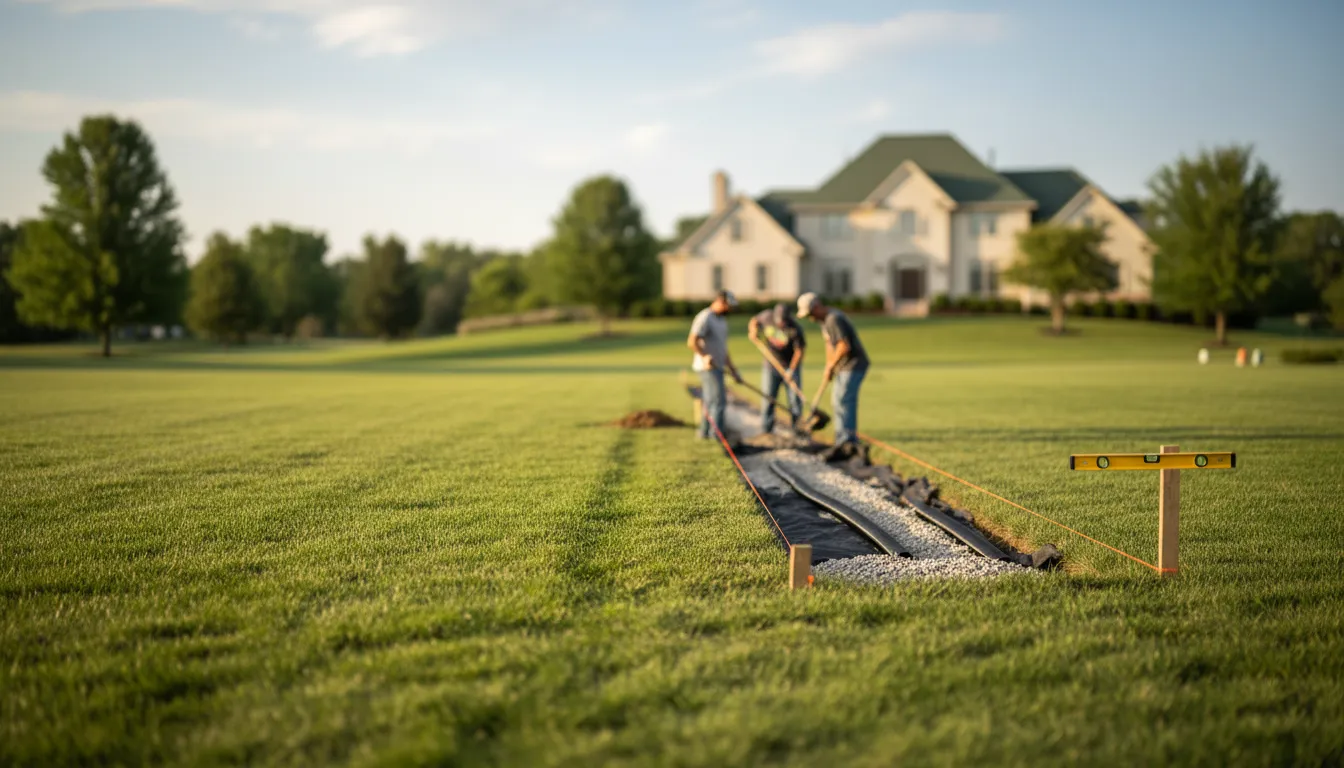
For water that saturates the soil or collects in low-lying areas, a French drain is a common and effective subsurface solution. This involves digging a trench, laying a perforated pipe wrapped in landscape fabric, and filling it with gravel. The system collects groundwater and redirects it to a more suitable discharge point, such as a dry well or the street. It's an excellent solution for yards with persistent dampness or where downspout runoff needs to be carried away from the house.
Catch Basins and Channel Drains
To handle concentrated surface water from driveways, patios, or walkways, catch basins (also called drain inlets) and channel drains are installed. These grates collect water from a specific area and connect to an underground pipe system that carries it away. They are particularly useful in flat, paved areas where water has no natural path to run off and are a key component of many site drainage plans.
Permeable Hardscaping
Choosing the right materials for patios, walkways, and driveways can significantly aid in water absorption. Permeable paving options, such as certain pavers, gravel, or decomposed granite, allow rainwater to seep through the surface into the ground below, reducing runoff volume and replenishing groundwater. Integrating these materials is a proactive approach to landscape drainage that combines functionality with aesthetics.
Rainwater Harvesting
Turning a problem into a resource, rainwater harvesting involves collecting runoff from roofs into barrels or cisterns. This stored water can then be used for irrigation during drier periods. While it doesn't solve all grading issues, it is a sustainable complement to a drainage system, reducing the overall volume of water your property needs to manage.
The Professional Process: From Assessment to Approval
Tackling a significant drainage or earth grading project in Santee typically follows a structured process to ensure effectiveness and compliance.
- Site Assessment and Problem Identification: A specialist will evaluate your property to identify the source and flow of water, checking for low spots, foundation proximity, and soil composition.
- System Design and Planning: Based on the assessment, a detailed plan is created. This may involve the expertise of a registered Civil Engineer, especially for projects that significantly alter water flow or involve substantial earth movement.
- Permitting: The City of Santee requires permits for most grading and drainage work. Your professional will typically handle this process, submitting the necessary plans and engineering reports to the Department of Development Services to ensure all work meets municipal standards.
- Implementation: This is the construction phase, involving excavation, trenching for drains, pipe installation, regrading soil, and installing any hardscape elements.
- Final Inspection and Approval: Once work is complete, a city inspector will review the project to ensure it conforms to the approved plans and codes, providing final approval.
Find the perfect yard drainage contractors for your needs
Get personalized recommendations and expert advice
Understanding Project Scope and Investment
The cost of yard drainage solutions varies widely based on the complexity and scale of the problem. A simple regrading project or a short French drain will be at a different investment level than a comprehensive system involving multiple catch basins, extensive piping, and new permeable hardscaping.
- DIY vs. Professional Installation: While some homeowners may tackle minor adjustments, professional installation is recommended for most systems to ensure correct slope, pipe placement, and long-term functionality. The labor for excavation, precise grading, and proper pipe installation is a significant factor in the project's success and cost.
- Material Costs: Items like catch basins, PVC drainage pipe, gravel, and landscape fabric form the material base. More advanced materials like permeable pavers will increase the project's budget compared to standard concrete.
- Engineering and Permits: For projects requiring engineered plans, this professional service adds to the overall cost but is crucial for permit approval and system efficacy2 3.
- Typical Investment Ranges: Minor solutions like extending a downspout or adding a small drain may range from a few hundred to two thousand dollars. Comprehensive property grading and integrated drainage systems, especially for larger lots with complex issues, often range from several thousand to over ten thousand dollars.
Navigating Santee's Regulations
Compliance with local codes is non-negotiable. All grading work must adhere to Santee Public Works Standards. Key regulatory points include:
- Significant projects that change the flow of water off your property may require formal approval from downstream property owners to prevent creating a nuisance for others.
- The city may require a floodplain analysis for properties in specific areas.
- While major projects need plans stamped by a registered Civil Engineer, the City Engineer can waive this requirement for minor, single-lot projects, simplifying the process for smaller fixes.
Working with a local professional familiar with these requirements is invaluable for a smooth and compliant project.
Frequently asked questions
Sources
Footnotes
-
12 Residential Backyard Drainage Solutions - Protect Your Yard - https://wilsonslawncare.com/12-residential-backyard-drainage-solutions/2024/ ↩
-
city of santee department of development services grading ... - https://www.cityofsanteeca.gov/departments/city-clerk/document-central/planning-building/ab2234/submittal-guidelines/checklist-engineering-form-419-grading-plan.pdf ↩
-
City of Santee, CA Permits and Fees - eCode360 - https://ecode360.com/43753522 ↩