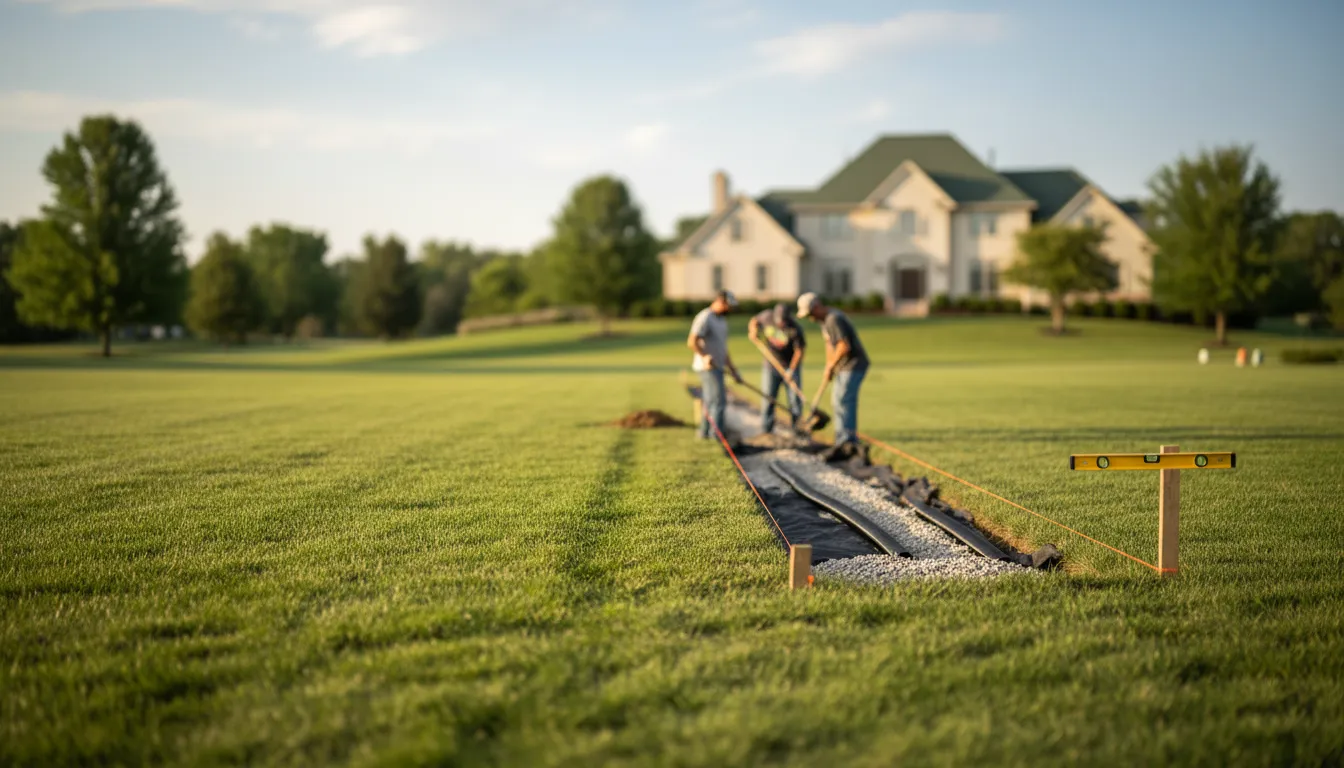
Find the Best Yard Drainage Contractors for Your Business
No obligation • Fast responses • Nationwide coverage

Why you can trust Landscape Atlas
Landscape Atlas is a leading United States resource for evaluating landscaping, lawn care, and outdoor service providers. Our team researches each category in depth, focusing on service quality, safety, and customer experience. Listings and rankings are based on independent criteria and user feedback, and companies cannot pay to influence our assessments or recommendations.
Search providers near you
Top Yard Drainage Contractors in Woodland, California Ranked
Managing water on your property is crucial for protecting your home's foundation, preventing soil erosion, and creating a healthier, more usable outdoor space. Proper yard drainage and grading involves shaping the land and installing systems to control where rainwater goes, preventing it from pooling near your home or causing damage. For Woodland residents, this is especially important to handle seasonal rainfall effectively and comply with local stormwater regulations. This guide will help you understand the key solutions, from simple grading to more complex systems, so you can make informed decisions about managing your property's water flow.
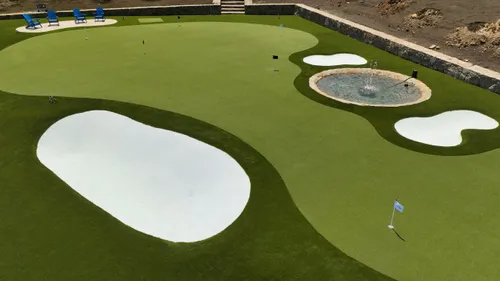
SYNLawn Sacramento
3920 W Capitol Ave #160, West Sacramento, CA 95691
SYNLawn Sacramento specializes in artificial turf installation, landscaping, yard drainage, and grading services in Sacramento, CA. They offer synthetic grass solutions designed to maintain vibrant color and durability through heat and drought, featuring HeatBlock™ technology to reduce surface temperatures. Their turf is suitable for residential and commercial properties, providing low-maintenance, eco-friendly landscaping that reduces water use and eliminates the need for mowing and chemical fertilizers. SYNLawn Sacramento customizes each installation to fit various yard shapes and traffic levels, ensuring proper drainage and long-lasting performance. The company provides a limited lifetime warranty on materials and workmanship and supports customers with certified installation teams.

CA Pro Concrete
2020 Hurley Way # 185, Sacramento, CA 95825
CA Pro Concrete is a concrete service company based in Sacramento, CA, offering a range of residential and commercial concrete solutions. Their services include concrete driveways, patios, pool decks, steps, walkways, slabs, grading, and demolition. With over 15 years of experience, they have completed numerous projects in Sacramento and surrounding areas, providing skilled craftsmanship and expertise in concrete installation and repair. CA Pro Concrete is equipped to handle various concrete projects, ensuring durable and precise results.
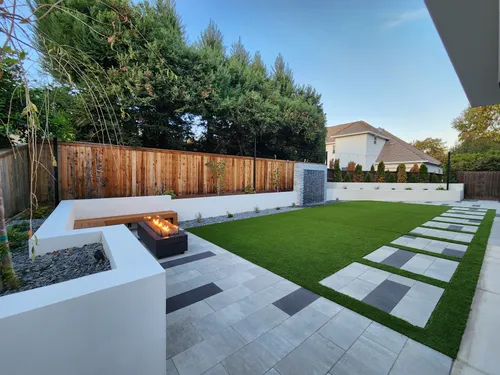
Caligreen Landscaping Inc.
645 Amber Ct, Roseville, CA 95678
Caligreen Landscaping Inc. is a landscaping company based in Sacramento, CA, offering comprehensive outdoor design and installation services. They specialize in creating functional and attractive outdoor spaces including sod and artificial turf installation, landscape lighting, irrigation systems, hardscaping with pavers and retaining walls, and yard drainage solutions. Their projects often include features like patios, firepits, outdoor kitchens, and pergolas, tailored to fit the client's lifestyle and property. Serving the Sacramento area, Caligreen Landscaping Inc. emphasizes detailed planning and quality craftsmanship to ensure durable and well-designed landscapes. Their approach includes transparent communication and thorough project management from concept through installation. The company is known for handling complete landscape transformations and offers water-efficient landscaping options.
IRRIGATION SUPPLY CO
75 W Kentucky Ave, Woodland, CA 95695
IRRIGATION SUPPLY CO is based in Sacramento, CA, offering services in yard drainage, grading, sprinkler installation, and irrigation repair. They provide agricultural irrigation products such as drip tape, fertilizer injectors, and micro-sprinklers, as well as commercial irrigation controllers and drainage systems. The company supports both crop irrigation needs and commercial landscaping maintenance. IRRIGATION SUPPLY CO is a member of the Yolo County Farm Bureau and offers UPS and palatalized freight shipping.
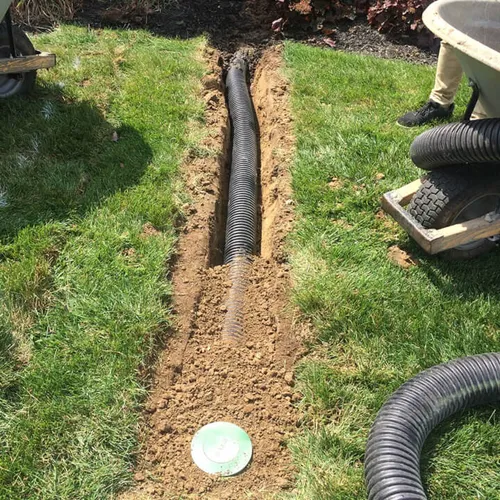
Excel Yard Drain Installation
Sacramento, CA
Excel Yard Drain Installation is a yard drainage contractor based in Sacramento, CA. They specialize in installing and repairing yard drains, including French drains, channel drains, catch basins, and land grading services. Their work helps redirect water away from yards, crawl spaces, and retaining walls to prevent flooding, erosion, and water damage. The company uses a thorough installation process involving assessment, excavation, pipe installation, and backfilling to ensure effective drainage solutions tailored to each property. They serve both residential and commercial clients in the Sacramento area.
Why Proper Drainage Matters in Woodland
Inadequate drainage can lead to a host of problems that go beyond a soggy lawn. Water that pools around your foundation can seep into basements or crawl spaces, leading to costly structural damage and mold growth. Persistent moisture can kill grass, ruin landscaping, and create breeding grounds for mosquitoes. Furthermore, uncontrolled runoff can carry pollutants from your yard into the local watershed. The City of Woodland has specific stormwater management requirements designed to protect community infrastructure and water quality, making compliant drainage solutions not just a good idea, but often a necessity 1. Implementing effective water management protects your investment and contributes to the broader environmental health of the area.
Core Solutions for Managing Yard Water
A variety of techniques can be used alone or in combination to solve drainage issues. The right approach depends on your property's specific slope, soil type, and the volume of water you need to manage.
Land Grading and Sloping
The most fundamental step in drainage is ensuring the ground slopes away from your home. Proper grading involves shaping the soil so it has a consistent slope of at least 5% (a 6-inch drop over 10 feet) away from the foundation. This direct approach guides surface runoff away from vulnerable areas, preventing water from pooling against walls. Regrading is often the first correction made for homes where settling or initial construction has created negative slope toward the structure.
Rain Gardens and Bioswales
These are landscaped depressions designed to capture, absorb, and filter stormwater runoff. A rain garden is a shallow basin planted with native, water-tolerant plants that allow rainwater from downspouts or driveways to soak into the ground naturally 2. A bioswale is typically a longer, gently sloped channel designed to slow down water flow, filter out pollutants, and encourage infiltration. Both are excellent, attractive solutions for reducing runoff volume and improving water quality while adding ecological value to your yard.
Subsurface Drainage Systems
For water that travels below the surface or in areas where above-ground solutions aren't feasible, underground systems are key.
- French Drains: A French drain consists of a perforated pipe laid in a gravel-filled trench. It collects groundwater and surface water, redirecting it away from problem areas to a safe discharge point like a storm drain or dry well 3.
- Trench Drains: Often used for driveway or patio runoff, these are narrow, surface-level drains covered by a grate that channel water quickly into an underground pipe system 4.
Water Capture and Reuse
Reducing the amount of water that becomes runoff in the first place is a smart strategy. Rain barrels or larger cisterns connected to your downspouts capture roof runoff, which you can then use for irrigating your garden. This simple method lessens the burden on your drainage system during a storm and provides a free water source for dry periods.
Permeable Surfaces
Replacing solid concrete or asphalt with permeable paving for patios, walkways, or driveways allows rainwater to seep through the surface into a stone reservoir below, where it slowly infiltrates the soil 5. This significantly reduces the amount of impervious surface on your property, a major contributor to rapid, polluted runoff.
Find the perfect yard drainage contractors for your needs
Get personalized recommendations and expert advice
The Implementation Process: From Plan to Finish
Successfully improving your property's drainage typically follows a logical sequence of steps.
- Site Assessment and Planning: The first step is identifying the problem. Where does water pool? Where is it coming from? Observe your yard during a heavy rain. Check the slope around your foundation. It's also critical to review the City of Woodland's Post Construction Standard Plan to understand local requirements for stormwater control before you begin any design.
- Design: Based on the assessment, you can create a plan. This might involve sketching a new slope for grading, determining the placement and size of a rain garden, or mapping the route for a French drain. For complex issues, consulting with a landscaping professional who specializes in drainage is highly recommended.
- Excavation and Preparation: This is the physical work of shaping the land. It involves digging trenches for drains, excavating the basin for a rain garden, or removing existing pavement to prepare for permeable surfaces. Proper preparation of the sub-base is essential for long-term functionality.
- Installation: This phase includes laying perforated pipe and gravel for French drains, installing rain barrels and connecting them to downspouts, or setting permeable pavers on a prepared gravel base. All components must be installed according to design specifications.
- Finishing and Planting: The final touches bring the solution to life. For a rain garden, this means adding appropriate soil mix, mulch, and planting native species. For grading projects, it involves spreading topsoil and re-seeding or sodding the lawn to stabilize the new slope.
Understanding Cost Considerations
The investment for drainage improvements varies widely based on the solution's scale and complexity, and whether it's a DIY project or professionally installed.
- Rain Barrel: A simple, effective starting point. DIY kits can start around $100, while more elaborate installed systems may cost up to $500.
- Rain Garden: Costs are primarily for plants, soil amendments, and mulch. A small to medium DIY garden might range from $200 to $1,000+.
- French Drain: Due to the labor and materials involved (trenching, pipe, gravel, fabric), professionally installed French drains often range from $1,000 to $3,000 or more, depending on length and depth 6.
- Permeable Paving: This is a premium solution. Installed costs for permeable pavers or porous concrete can range from $15 to $30 or more per square foot, making a patio or driveway section a significant investment 7.
Compliance with Woodland Regulations
The City of Woodland manages stormwater to reduce pollution and flooding. Property owners are responsible for controlling runoff from their land. The city's Storm Water Quality Control program provides guidelines, including the Post Construction Standard Plan, which outlines approved best management practices (BMPs) for new developments and redevelopments. Even for individual homeowner projects, it's wise to ensure your drainage improvements align with these community standards. Solutions like rain gardens, permeable paving, and proper grading are generally in line with these goals, but checking the city's resources or inquiring directly can provide clarity for your specific project.
Frequently asked questions
Sources
Footnotes
-
Storm Water Quality Control - Woodland, CA - https://www.cityofwoodland.gov/501/Storm-Water-Quality-Control ↩
-
Stormwater Best Management Practices - https://spcwater.org/topics/stormwater-management/stormwater-best-management-practices-2/ ↩
-
Best Drainage Systems To Deal with Stormwater - This Old House - https://www.thisoldhouse.com/driveways/best-drainage-systems-to-deal-with-storm-water ↩
-
Swales, Drains, and Site Grading for Stormwater Control - https://basc.pnnl.gov/resource-guides/swales-drains-and-site-grading-stormwater-control ↩
-
Methods to Reduce Urban Runoff: AP® Environmental Science Review - https://www.albert.io/blog/methods-to-reduce-urban-runoff-ap-environmental-science-review/ ↩
-
What You Can Do to Soak Up the Rain | US EPA - https://www.epa.gov/soakuptherain/what-you-can-do-soak-rain ↩
-
Control Heavy Runoff - Solving Drainage and Erosion Problems - https://www.fairfaxcounty.gov/soil-water-conservation/drainage-problem-control-runoff ↩