Find the Best Yard Drainage Contractors for Your Business
No obligation • Fast responses • Nationwide coverage

Why you can trust Landscape Atlas
Landscape Atlas is a leading United States resource for evaluating landscaping, lawn care, and outdoor service providers. Our team researches each category in depth, focusing on service quality, safety, and customer experience. Listings and rankings are based on independent criteria and user feedback, and companies cannot pay to influence our assessments or recommendations.
Search providers near you
Top Yard Drainage Contractors in Grand Prairie, Texas Ranked
Effective yard drainage and grading are essential for protecting your Grand Prairie home from water damage. Proper stormwater management prevents foundation issues, eliminates soggy lawns, and stops erosion, ensuring your outdoor space is both functional and beautiful. This guide explains the common drainage solutions used in our area, from grading and French drains to more advanced systems, helping you understand your options and connect with qualified local professionals for an assessment.
Casas Irrigation Drainage & More
110A Rose Ln Suite 204, Frisco, TX 75036
Casas Irrigation Drainage & More provides drainage, irrigation, and landscape lighting services in Dallas, TX. They offer sprinkler installation, repair, and maintenance, along with grading and yard drainage solutions tailored to local environmental needs. Their expertise includes fixing broken sprinkler heads, underground leaks, low water pressure, and uneven coverage to maintain healthy lawns and efficient water use. The company serves the Dallas area with a focus on customized outdoor lighting and irrigation systems designed to enhance both function and appearance.
Magnolia Turf Co. Dallas
3200 Garden Brook Dr, Farmers Branch, TX 75234
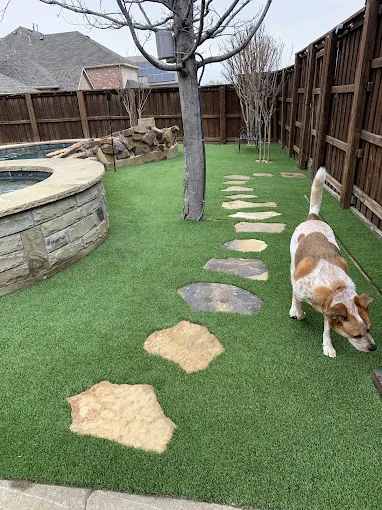
Magnolia Turf Co. Dallas provides artificial grass installation and yard drainage services in Dallas, TX. They specialize in installing premium artificial turf designed to withstand the Texas heat and offer durable, low-maintenance lawn solutions. Their projects often include grading and drainage improvements to enhance yard functionality and safety. With over 10 years of experience and more than 10,000 installations, Magnolia Turf Co. Dallas serves both residential and commercial clients, delivering turf that maintains color and resilience under intense sunlight.
Bird's Landscape and Irrigation LLC
Fort Worth, TX
Bird's Landscape and Irrigation LLC is based in Fort Worth, TX, providing a range of landscaping and irrigation services. They specialize in irrigation and drainage system design and installation, including gravity propelled and sump pump powered water management. The company also offers sod installation, landscape lighting, hardscaping, and sprinkler system services for both residential and commercial properties. With over 24 years of experience, Bird's Landscape and Irrigation delivers expert solutions focused on improving yard appearance and home curb appeal.
Landscape Legends & Holiday Lighting
Fort Worth, TX
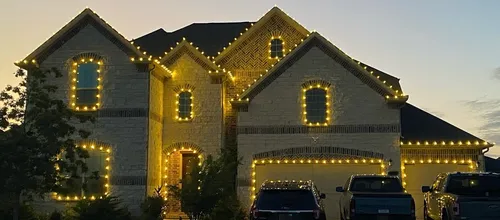
Landscape Legends & Holiday Lighting is a landscaping and lawn care company based in Fort Worth, TX. They provide a wide range of services including lawn mowing, weed control, fertilization, shrub and tree trimming, landscape lighting installation, hardscaping, irrigation system installation and repair, and seasonal clean-ups. The company is known for personalized service and eco-friendly practices, tailoring projects to the unique needs of each client. They have been serving the area for over five years and also offer holiday lighting installation.
American Sprinkler Repair
250 N Mill St STE 4, Lewisville, TX 75057
American Sprinkler Repair is a family-owned company serving Dallas, TX, and the surrounding North Texas area since 1954. They specialize exclusively in sprinkler system repair, addressing issues such as broken valves, sprinkler heads, controller malfunctions, pipe leaks, backflow preventer problems, and water pressure concerns. Their licensed technicians bring extensive experience and carry parts for major irrigation brands to complete most repairs on the first visit. The company offers emergency sprinkler repair services for urgent situations that require immediate attention.
Why Proper Drainage is Critical in Grand Prairie
Grand Prairie's climate, with its potential for heavy downpours, makes managing stormwater runoff a priority for every homeowner1. Without a proper drainage plan, water can pool around your foundation, leading to costly structural repairs, create persistent muddy areas that ruin your lawn, and even cause erosion that damages your landscaping. Investing in a well-designed drainage system isn't just about fixing a wet spot; it's about preserving your property's value and integrity. Local contractors are familiar with the city's drainage and erosion control requirements, ensuring any work is compliant and effective for the long term1.
Common Yard Drainage Solutions
There are several effective methods for controlling water flow in your yard. The right solution depends on your specific problem, whether it's surface water, subsurface saturation, or roof runoff.
Grading and Swales
The most fundamental form of drainage is grading-reshaping the soil's slope to direct water away from your home and toward a suitable outlet, like a street gutter or a dry well. A related technique is creating swales, which are broad, shallow ditches that channel water across your landscape. These are often the first line of defense and can be integrated seamlessly into your lawn.
French Drains
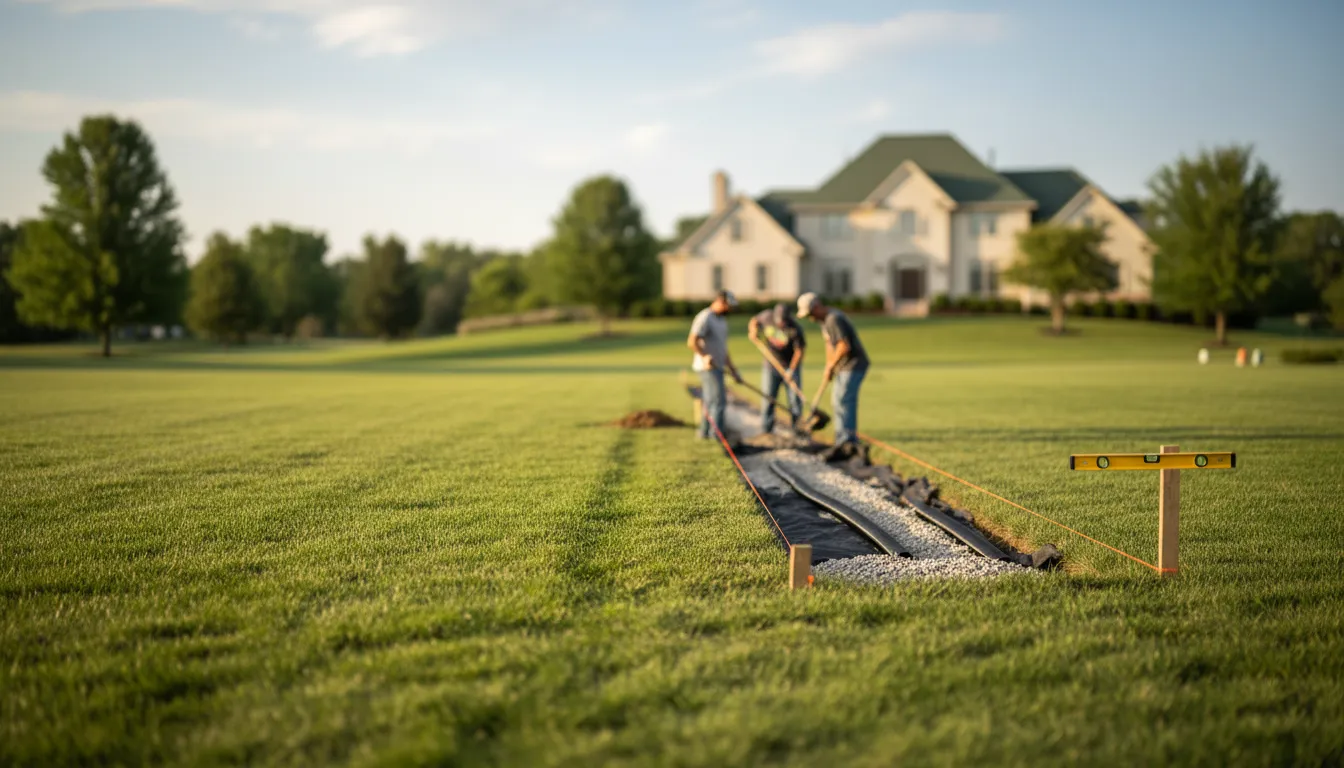
A French drain is a trench filled with gravel and a perforated pipe that collects and redirects groundwater and excess surface water. It's an excellent solution for yards where water tends to saturate the soil or pool in low areas. The pipe is buried and covered with gravel, allowing water to seep in and be carried away from the problem zone.
Catch Basins and Trench Drains
For collecting large volumes of surface water from driveways, patios, or low spots, catch basins (also called drain inlets) are highly effective. These are grates set into the ground that connect to an underground pipe system. Trench drains are similar, featuring a long, narrow grate ideal for linear collection points along a sidewalk or the edge of a paved area 2.
Dry Wells
When you need to manage water on-site because redirecting it to the street isn't feasible, a dry well can be the answer. This is an underground chamber, often a large pit or a specially designed barrel filled with stone, that collects stormwater and allows it to slowly percolate back into the surrounding soil.
Downspout Extensions and Rain Gardens
Simple solutions can have a big impact. Downspout extensions are inexpensive pipes that carry roof runoff several feet away from your foundation. For a more landscaped approach, a rain garden is a depressed, planted area designed to absorb and filter runoff from downspouts or paved surfaces, turning a drainage problem into a garden feature.
The Professional Drainage Installation Process
Installing a permanent drainage solution is a multi-step process best handled by experienced professionals.
- Site Assessment: A contractor will identify the source of the water, trace its flow paths, and pinpoint problem areas like foundation seepage or persistent puddles.
- System Design & Permitting: Based on the assessment, a detailed plan is created. For complex issues, this may involve a civil engineer. The contractor will handle any required permits from the City of Grand Prairie to ensure the work meets local stormwater management standards.
- Grading & Excavation: The yard may be regraded to establish the correct slope. Trenches are then dug for pipes, basins, or dry wells according to the design specifications.
- Installation: Pipes are laid, catch basins are set and leveled, dry wells are placed, and all components are connected. Gravel is used for backfill and drainage around pipes.
- Testing & Restoration: The system is tested with water to ensure proper flow. Finally, the area is landscaped with new sod, seed, or plants to restore your yard's appearance3.
Find the perfect yard drainage contractors for your needs
Get personalized recommendations and expert advice
Understanding the Cost of Drainage Work in Grand Prairie
The cost of drainage projects varies significantly based on the solution's complexity and the size of your yard. Here's a general breakdown of what you might expect:
- Basic Grading or Downspout Work: Simple regrading or installing downspout extensions typically ranges from $500 to $2,000.
- French Drains: Installed costs often range from $10 to $70 per linear foot, depending on depth and materials.
- Catch Basins: Each basin unit, including installation, can cost between $200 and $500.
- Dry Wells: A more involved project, dry well installation can range from $1,000 to $4,800 or more 4.
- Complete Moderate Systems: A combination of solutions for a typical residential yard often falls in the $2,000 to $8,000+ range 5.
- Advanced/Full-Yard Systems: For large properties or complex water issues involving significant grading and multiple systems, costs can reach $10,000 to $30,000+6 7.
The largest portion of your investment will typically be labor. Other key factors affecting the final price include your yard's size and slope, the type of system chosen, the need for engineering plans, and local permit fees. The most reliable way to get an accurate cost is to obtain quotes from several licensed Grand Prairie contractors who can assess your specific situation.
Maintaining Your Drainage System
Once installed, most underground drainage systems require minimal maintenance. However, periodic checks are wise. Ensure catch basin grates are clear of leaves and debris, and inspect downspout extensions after heavy storms to confirm they are intact and flowing correctly. If you notice water beginning to pool again, it may indicate a clog in a pipe or basin, which a professional can quickly address.
Frequently asked questions
Sources
Footnotes
-
Drainage and Stormwater Management - City of Grand Prairie - https://www.gptx.org/Departments/Engineering/Drainage-and-Stormwater-Management ↩ ↩2
-
Yard Drain Types: What's the Best Option for Your Backyard? - https://warelandscaping.com/resources/types-of-yard-drains/ ↩
-
8 Creative Landscaping Solutions for Your Drainage Problem - https://www.ringerslandscaping.com/post/8-creative-landscaping-solutions-for-your-drainage-problem ↩
-
How Much Does Stormwater Management Cost? (Breakdown) - https://soils-inc.com/how-much-does-stormwater-management-cost/ ↩
-
What is the Cost of Installing a Residential Drainage System? - https://dkclandscaping.com/drainage/what-is-the-cost-of-installing-a-residential-drainage-system ↩
-
Landscape Grading and Drainage Costs - https://www.whiteshovel.com/blog/landscape-grading-and-drainage-costs ↩
-
How Much Does Yard Drainage Cost? - https://drainagefirst.com/how-much-does-yard-drainage-cost/ ↩