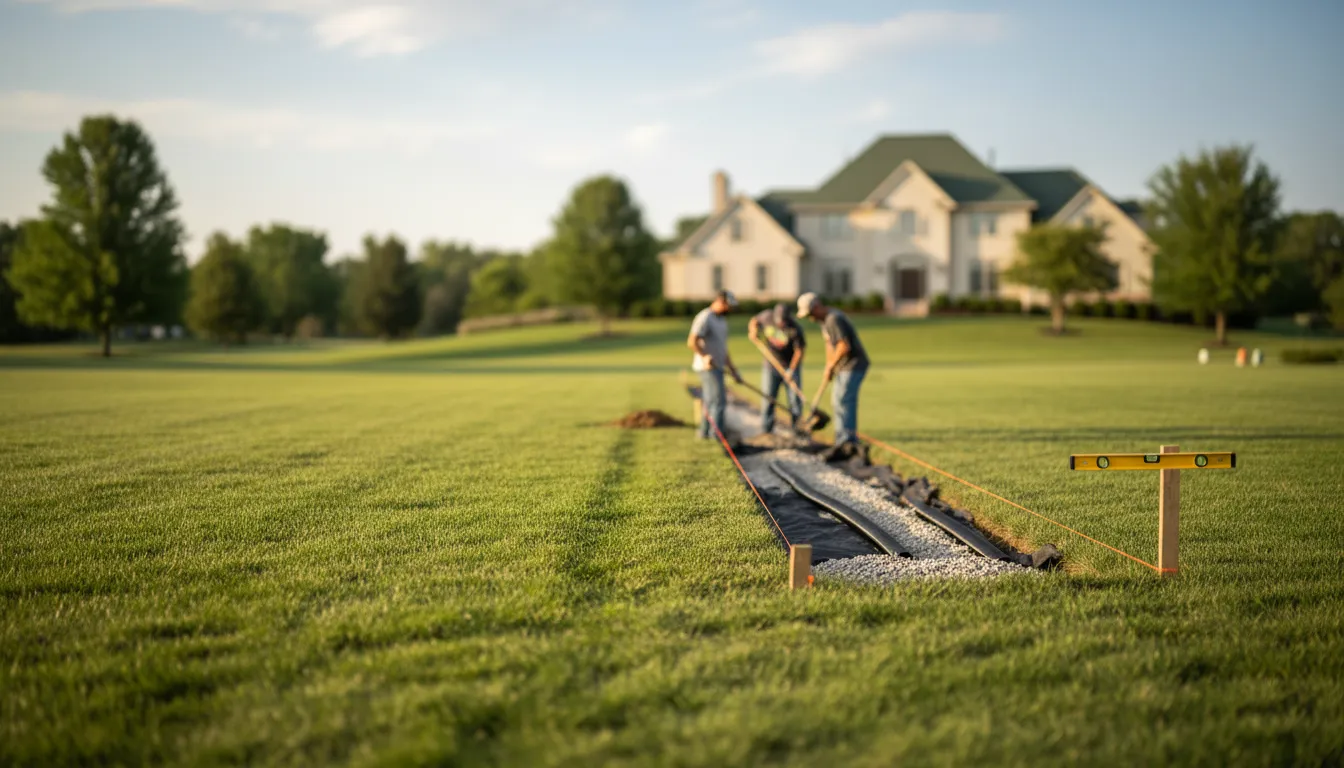
Find the Best Yard Drainage Contractors for Your Business
No obligation • Fast responses • Nationwide coverage

Why you can trust Landscape Atlas
Landscape Atlas is a leading United States resource for evaluating landscaping, lawn care, and outdoor service providers. Our team researches each category in depth, focusing on service quality, safety, and customer experience. Listings and rankings are based on independent criteria and user feedback, and companies cannot pay to influence our assessments or recommendations.
Search providers near you
Top Yard Drainage Contractors in Houston, Texas Ranked
Managing water effectively is a critical part of homeownership in Houston. With our frequent heavy rainfall and flat topography, poor drainage can lead to soggy lawns, mosquito breeding grounds, and, most concerningly, foundation damage and basement flooding. Yard drainage and grading services are the engineered solutions to these problems, focusing on controlling the flow of surface and subsurface water away from your home's foundation and into safe discharge areas. This guide will help you understand the common water management strategies used locally, from simple regrading to complex French drain systems, so you can identify the right solution for your property and connect with experienced professionals who can assess and implement it.
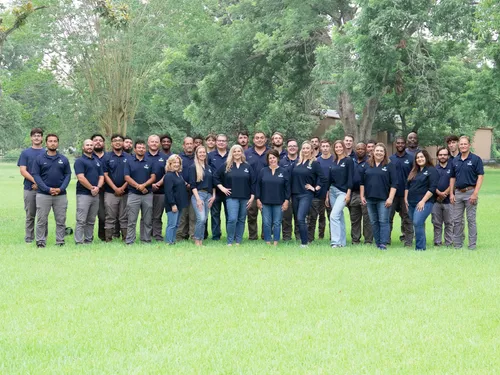
Southwest Irrigations Systems
6739 Theall Rd Suite A, Houston, TX 77066
Southwest Irrigation Systems is a Houston, TX-based company specializing in sprinkler system installation and repair, yard drainage, grading services, and outdoor landscape lighting. Serving the greater Houston area, they have over 35 years of experience providing irrigation and drainage maintenance along with outdoor lighting solutions. The company is licensed in Texas and is affiliated with local irrigation and turf associations. Their team is known for using top-quality parts and delivering thorough, professional service.
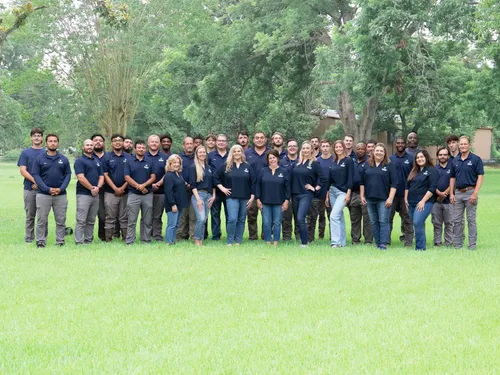
Southwest Irrigation Systems
2511 McKeever Rd, Rosharon, TX 77583
Southwest Irrigation Systems is a Houston, TX-based company specializing in sprinkler system installation and repair, yard drainage, grading services, and outdoor landscape lighting. Serving the greater Houston area since 1985, they offer licensed expertise in irrigation and drainage maintenance as well as outdoor lighting installation. The company is recognized for its highly trained technicians and is affiliated with local irrigation associations and the Better Business Bureau.
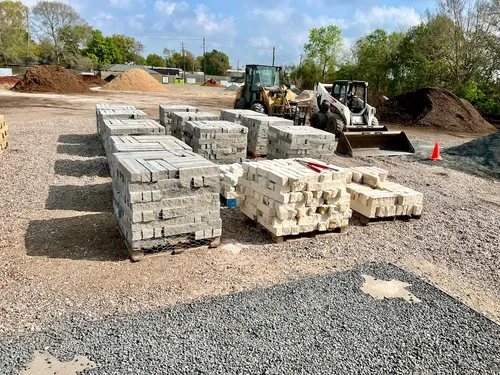
Texas Garden Materials
13051 Old Richmond Rd, Houston, TX 77099
Texas Garden Materials is a landscape supply store and landscaping construction company located in Houston, TX. They offer a wide range of landscaping materials including mulch, gravel, soil, retaining wall blocks, pavers, and flagstone. In addition to supplying materials, they provide professional landscaping services such as sod and artificial grass installation, landscape lighting, yard drainage solutions including French drains, hardscaping with patios and walkways, and driveway installation. Their delivery service covers the Greater Houston area, ensuring materials reach project sites efficiently. Texas Garden Materials also offers expert installation services to help realize outdoor projects with durable and quality results.
Texas Best Irrigation & Landscaping
Houston, TX
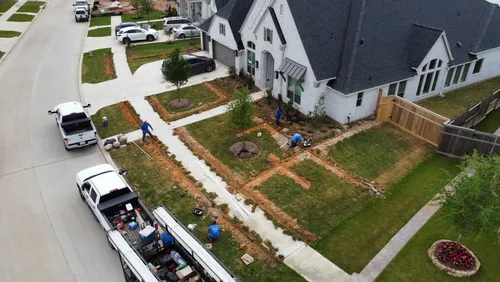
Texas Best Irrigation & Landscaping is a landscaping and irrigation company based in Houston, TX. They provide a wide range of services including sprinkler installation and repair, landscape design, drainage solutions, fence installation, hardscaping, and outdoor lighting. The company has over 35 years of experience serving both commercial and residential properties, including corporate environments, city parks, and shopping centers. One of their key capabilities is installing efficient irrigation systems to maintain healthy, green lawns. Texas Best Irrigation & Landscaping is licensed by the Texas Commission on Environmental Quality and serves Houston and surrounding areas.
Texas Urban Elements
11250 West Rd building k, Houston, TX 77065
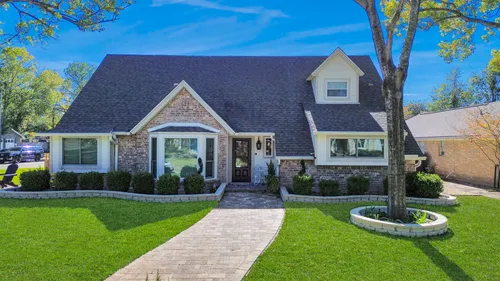
Texas Urban Elements is a landscaping and outdoor construction company based in Houston, TX. They provide a wide range of services including fence installation, yard drainage solutions, sprinkler system installation and repair, landscaping, and hardscaping. Their expertise covers drainage system installation, grading, retaining walls, paver walkways, and irrigation repairs to improve outdoor functionality and aesthetics. The company also installs custom fences and pergolas, addressing both safety and style needs while managing water drainage issues on patios and decks.
Why Houston Homes Need Professional Water Management
Houston's climate presents unique challenges for property owners. Intense, sudden downpours can overwhelm poorly designed landscapes, leading to standing water that damages grass, attracts pests, and saturates the soil around your home's slab 1. Over time, this hydrostatic pressure and soil movement can cause costly foundation cracks and structural issues. Effective yard drainage isn't just about puddle prevention; it's a proactive measure to protect your largest investment. Professional grading ensures the land slopes correctly-ideally dropping about six inches within the first ten feet from your foundation-to guide water away naturally. A well-designed system manages not just rainwater from the sky, but also runoff from roofs, driveways, and neighboring properties.
Common Yard Drainage Solutions in Houston
Local contractors employ a variety of techniques to solve water issues, often combining several for a complete system.
Regrading and Sloping
This is often the first line of defense. By carefully moving and compacting soil, professionals reshape your yard's contour to create positive drainage away from structures. This process, sometimes called land leveling or yard sloping, addresses the fundamental geometry of water flow. It's a crucial step for new homes or landscapes where the initial grading may have settled incorrectly.
French Drain Systems
A French drain is a gravel-filled trench containing a perforated pipe that collects and redirects groundwater and surface runoff. It's an excellent solution for yards with persistent soggy areas or where water tends to pool. The pipe is laid in a bed of gravel, wrapped in filter fabric to prevent clogging, and drains to a lower point like a street gutter, storm drain, or dry well. These subsurface drains are a workhorse of Houston drainage projects.
Catch Basins and Channel Drains
For managing concentrated surface water, catch basins (also called drain inlets) are key. These are grated basins installed in low spots, at the base of downspouts, or along driveways and patios. They collect large volumes of water quickly and connect to an underground pipe that carries it away. Trench drains are similar linear grates often used across driveways or walkways. They are highly effective for preventing water from flowing toward your garage or home.
Sump Pump Installation
In areas where gravity drainage isn't possible-such as homes with basements or sunken patios-a sump pump provides a mechanical solution. Water collects in a buried pit (sump basin), and an electric pump automatically activates to eject the water through a discharge pipe to the street or a drainage ditch. This is a critical system for keeping below-grade spaces dry.
Rain Gardens and Dry Creek Beds
These are "green" or decorative drainage solutions that manage water by absorbing and filtering it. A rain garden is a shallow depression planted with native, water-tolerant plants that allows stormwater to soak into the ground naturally. A dry creek bed, or dry stream, is a landscaped swale lined with stone and gravel that mimics a natural stream bed, providing a visually appealing path for water to flow during rains. Both solutions can reduce runoff volume and improve water quality.
Downspout and Gutter Management
Often, the problem starts at the roof. A single downspout can dump thousands of gallons of water during a storm. Simple solutions like adding solid extensions to carry water at least five feet from the foundation can make a huge difference. For a more permanent fix, downspouts can be connected to underground drain pipes that tie into a larger yard drainage system.
Find the perfect yard drainage contractors for your needs
Get personalized recommendations and expert advice
The Professional Installation Process: What to Expect
A successful drainage project follows a logical sequence from diagnosis to completion.
- Site Assessment and Diagnosis: A reputable contractor will inspect your property during or after a rain event to identify problem areas, trace water sources (roof runoff, neighbor's yard, driveway sheet flow), and understand the soil composition. They may use a laser level to map the existing grade.
- System Design and Planning: Based on the assessment, the professional will design a tailored solution. This plan determines the optimal slope for grading, the placement and size of drains and pipes, and the final discharge point. Proper design ensures efficiency and avoids moving the problem to another part of your or a neighbor's yard 2.
- Excavation and Preparation: This involves the physical work of digging trenches for French drains, creating basins, or moving significant amounts of soil for regrading. Care is taken to avoid underground utilities and protect existing landscaping where possible3.
- Component Installation: Pipes are laid, catch basins are set and leveled, sump pumps are placed, and filter fabric and gravel are installed. For grading, soil is spread, shaped, and compacted to precise specifications 4.
- Final Connections and Finishing: The system is tied together-pipes are connected, discharge points are secured (often with a pop-up emitter at the curb), and the sump pump is wired and tested. The site is then restored by adding topsoil, sod, seed, or decorative stone over gravel beds 5.
- Testing and Maintenance Guidance: The contractor should test the system with water to ensure proper flow. They will also explain simple maintenance, like periodically clearing debris from grate covers and ensuring discharge points remain open6.
Understanding Investment and Value
The cost of drainage work in Houston varies widely based on the solution's complexity, yard size, and accessibility. Here's a general overview of potential investments:
- Minor Corrections (Downspout extensions, small regrading): $200 - $1,000+.
- Comprehensive Yard Regrading/Sloping: $1,000 - $3,000+7.
- French Drain Installation (for a typical yard): $2,000 - $6,000 (or $15-$30 per linear foot)8 9.
- Catch Basin System: $500 - $2,000+, depending on the number of basins and piping required.
- Sump Pump Installation: $1,500 - $3,00010.
- Decorative Solutions (Rain Garden, Dry Creek Bed): $500 - $3,000+, heavily influenced by plants and materials11 12.
While not inexpensive, this investment protects your home's foundation, preserves your landscape, increases usable yard space, and can prevent far more expensive repairs down the line. A dry, stable yard also enhances your property's overall appeal and value.
Frequently asked questions
Sources
Footnotes
-
City of Houston Design Manual Chapter 9 STORMWATER ... - https://houstonrecovers.org/wp-content/uploads/2018/06/IDM-CH-9-Show-changes.pdf ↩
-
Grading Yard for Drainage: A Homeowner's Step-by-Step Guide - https://tamuradesigns.com/grading-yard-for-drainage/ ↩
-
How Land Grading Helps with Yard Drainage - Dirt Connections - https://www.dirtconnections.com/how-land-grading-helps-with-yard-drainage/ ↩
-
Expert Yard Drainage Solutions in Houston, Texas - https://houstonlandscapepros.com/landscape-drainage/ ↩
-
Yard Drainage Solutions Houston - https://houstonyarddrainage.com/yard-drainage-solutions-houston/ ↩
-
Swales, Drains, and Site Grading for Stormwater Control - https://basc.pnnl.gov/resource-guides/swales-drains-and-site-grading-stormwater-control ↩
-
Managing Grading and Drainage for Effective Rainwater ... - https://www.cindycogginsrealtygroup.com/managing-grading-and-drainage-for-effective-rainwater-management ↩
-
A Homeowner Guide to Backyard Drainage Solutions - https://tamuradesigns.com/backyard-drainage-solutions/ ↩
-
Top 8 Backyard Drainage Solutions for Your South Texas Property - Fischer Landscaping - https://fischerlandscapingusa.com/backyard-drainage-solutions/ ↩
-
Houston Drainage Solutions - Flood Prevention Experts - https://lairdlandscaping.com/services/drainage/ ↩
-
What You Can Do to Soak Up the Rain | US EPA - https://www.epa.gov/soakuptherain/what-you-can-do-soak-rain ↩
-
How Much Does Yard Drainage Cost in 2025? A Homeowner's Guide - https://warelandscaping.com/how-much-does-yard-drainage-cost-in-2025 ↩