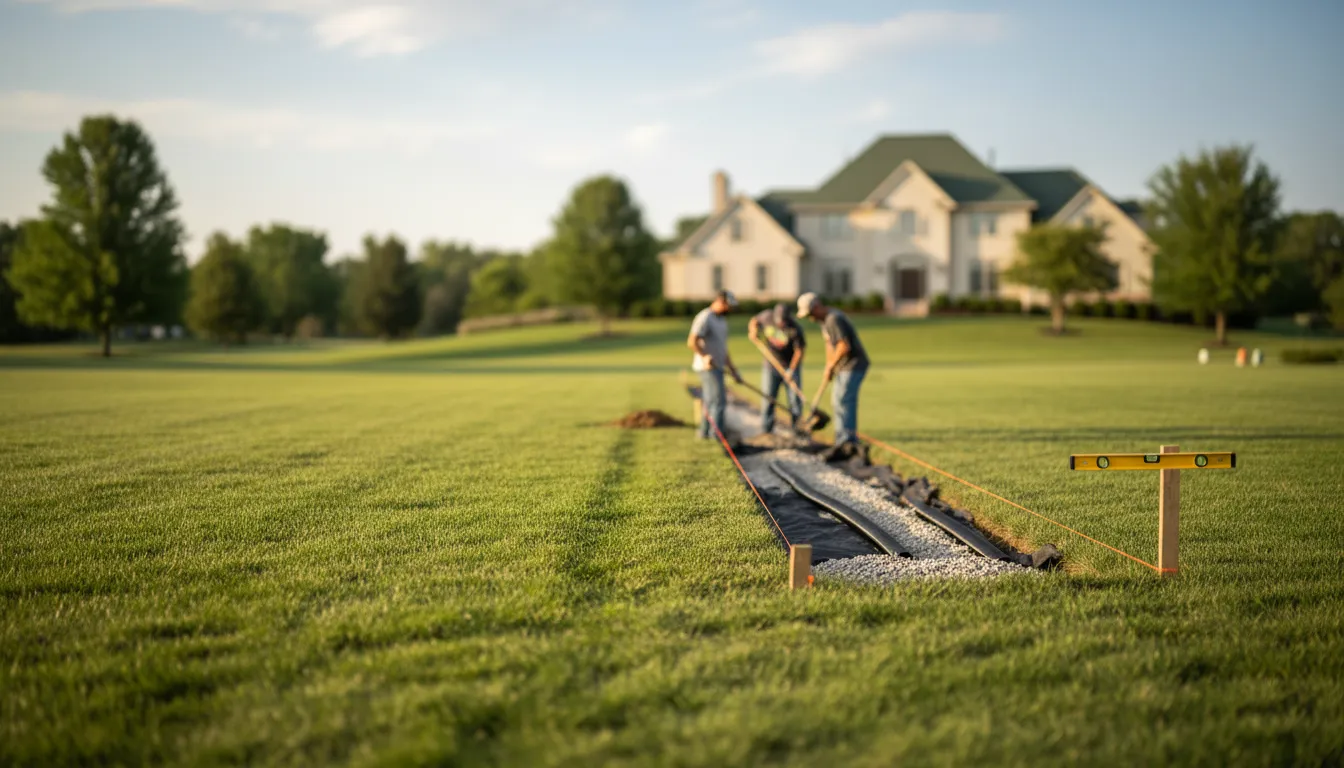
Find the Best Yard Drainage Contractors for Your Business
No obligation • Fast responses • Nationwide coverage

Why you can trust Landscape Atlas
Landscape Atlas is a leading United States resource for evaluating landscaping, lawn care, and outdoor service providers. Our team researches each category in depth, focusing on service quality, safety, and customer experience. Listings and rankings are based on independent criteria and user feedback, and companies cannot pay to influence our assessments or recommendations.
Search providers near you
Top Yard Drainage Contractors in Little Elm, Texas Ranked
Proper yard drainage and land grading are essential for protecting your Little Elm home from water damage. These services involve shaping the land and installing systems to manage rainwater and prevent issues like foundation cracks, basement flooding, and persistent soggy lawns. This guide will help you understand the common solutions, typical project steps, and local considerations for finding the right professional to solve your property's water problems.
Casas Irrigation Drainage & More
110A Rose Ln Suite 204, Frisco, TX 75036
Casas Irrigation Drainage & More provides drainage, irrigation, and landscape lighting services in Dallas, TX. They offer sprinkler installation, repair, and maintenance, along with grading and yard drainage solutions tailored to local environmental needs. Their expertise includes fixing broken sprinkler heads, underground leaks, low water pressure, and uneven coverage to maintain healthy lawns and efficient water use. The company serves the Dallas area with a focus on customized outdoor lighting and irrigation systems designed to enhance both function and appearance.
Magnolia Turf Co. Dallas
3200 Garden Brook Dr, Farmers Branch, TX 75234
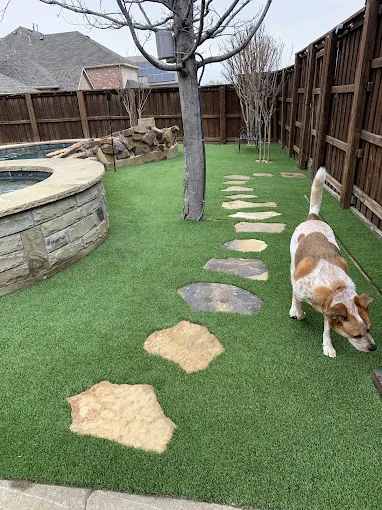
Magnolia Turf Co. Dallas provides artificial grass installation and yard drainage services in Dallas, TX. They specialize in installing premium artificial turf designed to withstand the Texas heat and offer durable, low-maintenance lawn solutions. Their projects often include grading and drainage improvements to enhance yard functionality and safety. With over 10 years of experience and more than 10,000 installations, Magnolia Turf Co. Dallas serves both residential and commercial clients, delivering turf that maintains color and resilience under intense sunlight.
Bird's Landscape and Irrigation LLC
Fort Worth, TX
Bird's Landscape and Irrigation LLC is based in Fort Worth, TX, providing a range of landscaping and irrigation services. They specialize in irrigation and drainage system design and installation, including gravity propelled and sump pump powered water management. The company also offers sod installation, landscape lighting, hardscaping, and sprinkler system services for both residential and commercial properties. With over 24 years of experience, Bird's Landscape and Irrigation delivers expert solutions focused on improving yard appearance and home curb appeal.
Lux Texas Sprinkler Repair and Drainage
5000 Eldorado Pkwy #150, Frisco, TX 75033
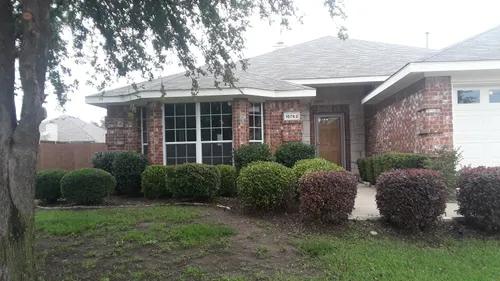
Lux Texas Sprinkler Repair and Drainage is a landscaping and irrigation company based in Dallas, TX. They provide sprinkler repair, drainage solutions, and landscaping services for both residential and commercial properties. The company specializes in yard drainage and irrigation system installation and repair, helping to maintain healthy outdoor spaces and protect home foundations. Founded in 2018, Lux Texas Landscaping serves the North Dallas and Fort Worth areas with licensed professionals focused on eco-friendly and innovative landscaping solutions.
Landscape Legends & Holiday Lighting
Fort Worth, TX
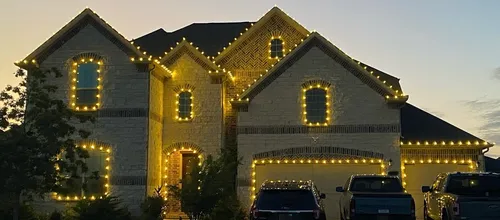
Landscape Legends & Holiday Lighting is a landscaping and lawn care company based in Fort Worth, TX. They provide a wide range of services including lawn mowing, weed control, fertilization, shrub and tree trimming, landscape lighting installation, hardscaping, irrigation system installation and repair, and seasonal clean-ups. The company is known for personalized service and eco-friendly practices, tailoring projects to the unique needs of each client. They have been serving the area for over five years and also offer holiday lighting installation.
Managing water flow is a critical aspect of home maintenance in North Texas. Effective surface drainage and subsurface drainage systems work together to channel water away from your foundation and prevent erosion. Given Little Elm's clay-heavy soils and potential for heavy rainfall, a proactive approach to yard water management can save you from costly repairs down the line.
Common Drainage Solutions for Little Elm Homes
Homeowners have several effective methods at their disposal to combat water issues. The right choice depends on your specific problem, property layout, and budget.
Regrading and Sloping
This is often the first line of defense. Land grading involves reshaping the soil around your home to create a "positive slope," directing surface water to flow away from the foundation. It's a fundamental step that can solve many pooling issues on its own or be combined with other systems for a comprehensive solution.
French Drains
A French drain is a trench filled with gravel and a perforated pipe, wrapped in landscape fabric. It's designed to intercept and redirect groundwater and surface runoff, making it ideal for chronically soggy areas in your yard. Installation costs can range from $10 to $50 per linear foot, depending on depth and materials.
Catch Basins and Trench Drains
These are surface-level solutions for capturing heavy runoff. A catch basin is a grate-covered box that collects water from downspouts or low spots and connects to an underground pipe system. A plastic catch basin typically costs between $200 and $500 installed. Channel drains are long, narrow grates perfect for driveways or walkways where water collects.
Swales and Dry Creek Beds
A swale is a broad, shallow, vegetated ditch designed to slow and guide water across your property. A dry creek bed serves a similar purpose but uses rock and stone for a decorative, low-maintenance channel that handles water flow during storms. These are excellent for managing water across larger areas while enhancing landscaping.
Downspout Extensions and Drain Lines
One of the simplest fixes is ensuring your gutter downspouts discharge water far enough from your foundation. Downspout extensions can be above-ground or connected to underground drain pipes that carry roof runoff to a safe discharge point like a street gutter or a dry well.
Sump Pumps and Dry Wells
For low spots where water naturally collects, a sump pump can actively remove water. A dry well is an underground chamber filled with gravel that collects and slowly disperses water into the surrounding soil. Installing a dry well is a more involved project, with costs typically between $1,600 and $4,800.
Find the perfect yard drainage contractors for your needs
Get personalized recommendations and expert advice
The Typical Drainage Project: Step-by-Step
Understanding the process can help you communicate effectively with professionals and know what to expect.
1. Site Assessment and Problem Identification
A professional will inspect your property during or after a rain to identify trouble spots. They look for pooling water, soil saturation, erosion, and signs of moisture in your home's foundation or crawlspace. This diagnosis is crucial for designing an effective system.
2. System Design and Planning
Based on the assessment, the contractor will design a solution. This may involve a single method or a combination (e.g., regrading paired with French drains). The design will plot the path of water from collection to a safe outlet, ensuring all components work together.
3. Permit Acquisition (If Required)
The Town of Little Elm has a Stormwater Management Program with specific design requirements 1. Your contractor should check if your project requires a permit and handle the application process. Adhering to local codes ensures your system is effective and compliant.
4. Excavation and Earthwork
This is the most labor-intensive phase. Trenches are dug for drains, or large areas are reshaped for grading. Equipment like mini-excavators or trenchers is often used. Proper excavation depth and slope are critical for system performance.
5. Installation of Components
For a French drain, this involves laying landscape fabric, adding a gravel bed, placing the perforated pipe, and covering it with more gravel. For catch basins or dry wells, the structures are set in place and leveled. All pipes are connected, and the system is tested for flow.
6. Backfilling and Final Grading
Once the system is in place, trenches are backfilled with soil or decorative rock. The surface is graded and smoothed, and sod or seed is applied to restore the lawn. The final step is a thorough check to ensure water flows as intended 2.
Local Considerations for Little Elm Properties
Little Elm's environment presents unique challenges that influence drainage system design and installation.
- Soil Composition: The prevalent clay soil has slow permeability, meaning water doesn't soak in quickly. This increases surface runoff, making effective grading and channeling even more important to prevent pooling 3.
- Municipal Regulations: The Town of Little Elm manages stormwater infrastructure and has guidelines for private property drainage. It's important that any new system properly ties into municipal storm sewers or natural outlets without causing issues for neighbors or public property 4.
- Professional Expertise: Due to the technical nature of creating proper slope and navigating local codes, working with an experienced local contractor is highly recommended. They understand the soil conditions and common rainfall patterns in the area.
Cost Factors for Drainage and Grading Work
Project costs in Little Elm can vary widely. A simple regrading or downspout extension project might start around $500 to $2,000, while a comprehensive yard drainage system involving multiple French drains, catch basins, and significant regrading can reach $15,000 or more 5. Key factors include:
- Yard Size and Slope: More square footage and steeper slopes require more labor and materials.
- Solution Complexity: A simple surface channel is less expensive than a deep subsurface network.
- Materials: Pipe type (corrugated vs. PVC), gravel quality, and grate material affect price.
- Access and Labor: Easy equipment access keeps costs down; difficult sites increase them.
- Permits and Inspections: Local fees may add to the project total.
Frequently asked questions
Sources
Footnotes
-
STORMWATER DESIGN REQUIREMENTS - Little Elm - https://www.littleelm.gov/DocumentCenter/View/19565/LE-Stormwater-Manual-2014-01-17 ↩
-
12 Residential Backyard Drainage Solutions - Protect Your Yard - https://wilsonslawncare.com/12-residential-backyard-drainage-solutions/2024/ ↩
-
Drainage Solutions - Little Elm, Texas - Lee Sprinkler - https://leesprinklerdrainage.com/drainage-solutions-in-little-elm/ ↩
-
Stormwater Utilities | Town of Little Elm, TX - Official Website - https://www.littleelm.gov/779/Stormwater-Utilities ↩
-
Landscape Grading and Drainage Costs - https://www.whiteshovel.com/blog/landscape-grading-and-drainage-costs ↩